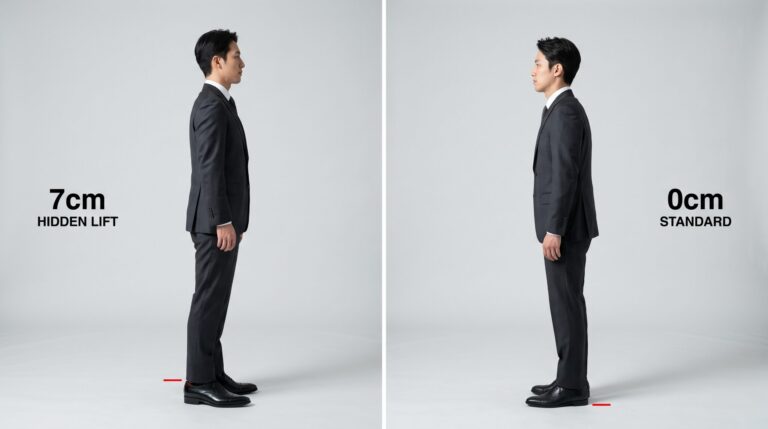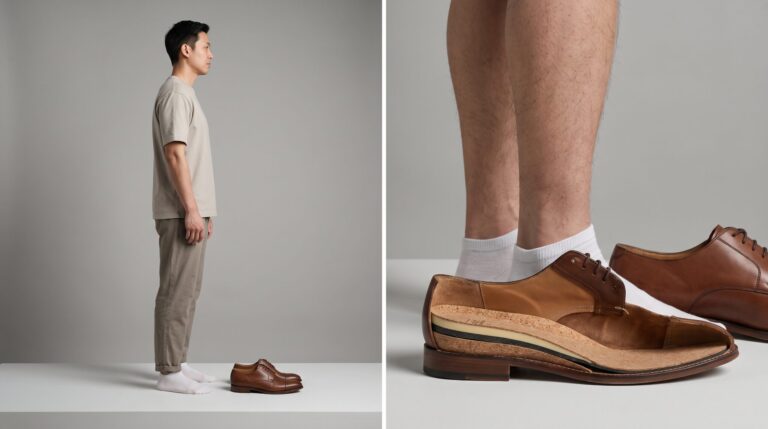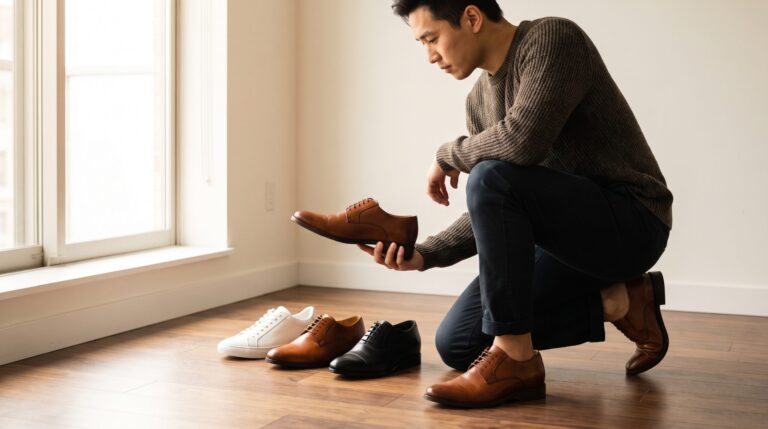
Can the insoles of height-increasing shoes be removed and replaced? The best setup: universal insoles + add-on insoles
Author: Tallizen Editorial Team · Insole Materials Engineer Gao Zhiwen · Last updated 2026-10-11 · 12 min read
Direct answer: Can height-increasing shoe insoles be removed and replaced?
Short answer:99% of height-increasing shoe insoles can be removed — including the entire Tallizen collection. Only a few special styles where the height-increasing layer is hidden in the sole sandwich and the insole is just the top layer will lose the height effect when the insole is removed.How to tell: Look for a gap at the edge of the insole and pry it with your nail. If there’s a gap, it’s usually removable.
4 reasons to replace your insole:
- Height-increasing layer memory aging needs replacement (every 12–18 months)
- Changes in foot condition (flat feet → need arch support)
- Seasonal changes (moisture-wicking for summer / warmth for winter)
- Add functional insoles (air cushion, antibacterial, arch support)
I. 5 types of height-increasing shoe insole structures
Table 1: Comparison of 5 height-increasing insole structures
| Structure Type | Removable? | Does height effect remain when removed? | Replacement Difficulty | Applicable Scenarios |
|---|---|---|---|---|
| Full insole type + height-increasing layer inside the insole | ✅ Fully removable | ❌ Height effect gone | Easy | First stage (kit-style height increase) |
| Half insole type + height-increasing layer in the midsole | ⚠️ Partially removable | ✅ Still remains | Moderate | Second stage (structural height increase) |
| Hidden embedded height-increasing layer | ⚠️ Insole is removable | ✅ Fully remains | Harder | Mid-to-high stage (premium structural type) |
| Pure structural height increase (embedded in sole) | ❌ Insole is just decorative | ✅ Fully remains | Easy but height increase is not removable | Advanced (sole-integrated) |
| Memory foam insole | ✅ Fully removable | ⚠️ Partially remains | Easy | General |
The entire Tallizen line uses a “half-insole + hidden lift in the midsole” design(second stage),the insole can be removed and replaced, but the height-increasing structure remains. This is the most flexible design and the mainstream choice for most height-increasing shoe enthusiasts.
II. How to tell if a height-increasing shoe insole is removable?
2.1 Check the insole edge
Flip the shoe over and look at the junction between the insole and the sole:
- A noticeable gap: removable (90% of cases)
- No gap, insole is flush with the sole: likely glued down, check the manual
2.2 Pry the gap with your fingernail
Flip the shoe right-side up, look inside from the shoe opening,along the insole edge(usually near the heel of the insole) find a 1~2mm gap. Pry it with your fingernail; if the insole lifts, it’s a removable design.
2.3 Pull the front of the insole
Pull from the toe of the shoe backward; if the entire insole can be pulled out, it’s a removable design. If it won’t move, it may be a “locking tab” type or glued down.
2.4 Flip over to check the back of the insole
- Round indentations / wavy bumps: usually removable, this is a plastic injection-molded locking tab design
- Entirely flat and glued down: likely a glued-down design
2.5 A simple one-sentence way to tell
All Tallizen models have removable insoles—this is one of our basic design requirements.
III. 4 major use cases for replaceable insoles
Case 1: Memory of the height-increasing layer ages
Symptom: After 1~2 years of wear, the insole takes more than 1 second to spring back after being pressed.
Solution: Replace with a new insole for $10.99–$15.99the height-increasing structure remains, and the memory effect resets to new shoe condition.
Case 2: Changes in foot condition
Symptom: No flat feet originally, but long-term wear of height-increasing shoes + lack of exercise weakens arch muscles.
Solution: Replace with an insole designed for “arch support” (brands like Dr.Scholl’s, Kalloc, etc.).
Case 3: Seasonal changes
Symptom: Thick insoles are too stuffy in summer, thin insoles make feet cold in winter.
Solution:
- Summer: Replace with breathable mesh insoles
- Winter: Replace with wool insoles or heated insoles
Case 4: Purchase functional insoles
Symptom: Special needs (antibacterial, air cushion, plantar fasciitis prevention)
Solution: Purchase corresponding functional insoles to make one pair of height-increasing shoes have multiple uses.
IV. Comparison of 5 common replaceable insoles
Table 2: 5 Common Replaceable Insoles × Height-Increasing Shoe Compatibility
| Insole Type | Suitable for Height-Increasing Shoes? | Price (NT$) | Lifespan (Months) | Suitable For |
|---|---|---|---|---|
| Memory Foam (Tallizen Aftermarket) | ★★★★★ | 350 | 12~18 | General |
| Memory Foam (Dr. Scholl’s) | ★★★★ | 450 | 12 | General |
| Air Cushion (Kalloc) | ★★★★ | 600 | 12~18 | Standing for Long Hours |
| Arch Support (Superfeet) | ★★★★★ | 800~1,200 | 18~24 | Flat Feet/Uneven Leg Length |
| Wool Warmth | ★★★ | 400~600 | 12 | Winter/Snow |
| Antibacterial Deodorant (Scholl) | ★★★ | 350~450 | 9~12 | Sweaty Feet |
Key Recommendations:
- 1st Pair of Height-Increasing Shoes: Start with the original insole for 1-2 months, then consider adding others once adapted
- Functional Add-Ons: Air cushion / arch support / antibacterial are all good choices; wool warmth or mesh summer versions depend on regional climate
- Don’t Buy Overly Expensive: Height-increasing shoe insoles over $24.99 are not necessarily better than $12.99 ones
5. Add-On Insoles vs Pharmacy Insoles
Table 3: Differences Between Add-On Insoles and General Pharmacy Insoles
| Comparison Items | Add-On Insoles (Original Factory) | Pharmacy/Supermarket Insoles |
|---|---|---|
| Size Compatibility with Height-Increasing Shoes | ★★★★★ (Custom) | ★★★ (Universal Size, Requires Trimming) |
| Material Quality | ★★★★ (Higher Grade) | ★★★ (Many Brand Options) |
| Function Options | 1~3 Featured Styles | 20+ Brand Styles |
| Purchase Convenience | ★★★ (Order on Official Website) | ★★★★★ (Pharmacy/Watsons/Carrefour) |
| Return & Exchange Convenience | ★★★★ (Official Website Customer Service) | ★★★ (Pharmacy, Subject to Brand Policies) |
| Price | $10.99–$24.99 | $4.99–$18.99 |
Selection Suggestions::
- For Perfect Fit:Add Original Factory Insoles
- Urgent Need → Pharmacy/Supermarket Insoles:Dr.Scholl’s, Kalloc, and Scholl are all in stock
- Special Foot Conditions:First get a physical therapist’s assessment, then decide on the insole type
6. 4 Practical Configurations for Height-Increasing Shoes + Add-On Insoles
Config 1: Business Suit Professionals (Height Increase 6~8cm + Breathable Leather Shoes)
Height-Increasing Shoes (6cm, Leather Shoes)
Original Insoles → Replace With → Antibacterial Deodorant Insoles + Memory Foam Insole (Arch Support)
Effect:
- All-day office wear without stuffiness
- No arch soreness
- Suitable for Lawyers, Accountants, Salespeople
Config 2: Outdoor Commuters (Height Increase 5~7cm + Waterproof Casual Shoes)
Height-Increasing Shoes (5cm, Mesh Casual)
Original Insoles → Replace With → Breathable Mesh Insoles + Silicone Heel Pads
Effect:
- Quick-drying in rain
- Stable heel, no slipping
- Suitable for Field Sales, Motorcycle Commuters
Config 3: People Who Stand For Long Hours (Height Increase 4~6cm + Height-Increasing Casual Shoes)
Height-Increasing Shoes (4cm, Versatile Style)
Original Insoles → Replace With → Full Air Cushion Insoles (Kalloc, etc.)Effect:
- Comfortable for long standing
- Suitable for retail staff, nurses, event personnel
Configuration 4: Flat feet/leg length discrepancy (5~7cm height increase + structural support)
Height-increasing shoes (5cm)
Original insole → Replace with → Custom orthopedic insole (made after evaluation by a physical therapist)
Effect:
- Arch support improves walking posture
- Asymmetric elevation for leg length discrepancy
- Suitable for customers with long-term foot issues
VII. 5 Steps to Replace Insoles Yourself
Step 1: Confirm the insole is removable
Refer to the “How to Tell” section above.
Step 2: Remove the old insole
Pull from the toe area toward the back, or pry from the shoe opening toward the heel.Pull slowly, do not yank forcefully——yanking could damage the height-increasing layer.
Step 3: Clean the inside of the shoe
Use a dry cloth or a slightly damp cloth to wipe away traces left by the old insole,let it dry completely before placing the new insole.
Step 4: Confirm the direction of the new insole
Most insoles have “Front (F)/ Back (B)” markings or heel contours,do not place them backwards(left and right feet correspond to different positions).
Step 5: Put the insole back into the shoe
Insert starting from the heel, then press down on the toe area to make the insole fit completely against the sole.Put on the shoes and walk a few stepsto confirm there is no slipping.
VIII. Common Myths About Replacing Insoles in Height-Increasing Shoes
Myth 1: “Replacing insoles will make the height increase ineffective”
Incorrect.For most height-increasing shoes, the height increase effect comes from the sole structure, not the insole. Tallizen’s half-insole midsole design retains the full height-increasing structure even when the insole is replaced.
Myth 2: “Only custom insoles are useful”
Partially correct. If you have significant foot issues (flat feet, leg length discrepancy, diabetes),custom insoles are indeed better. But for general customers, brand off-the-shelf insoles ($10.99–$15.99) are sufficient.
Myth 3: “Thicker insoles are more comfortable”
Incorrect.The sweet spot for memory foam thickness is 8~12mm. Over 15mm reduces the interior space of the shoe, causing toe squeezing; under 5mm loses shock absorption.
Myth 4: “You cannot add insoles to height-increasing shoes”
Incorrect. The insoles of most height-increasing shoescan be stacked(add an insole on top of the memory layer). However, a small number of models with very tight interior space are not suitable—check the specifications before purchasing.
Frequently Asked Questions (FAQ)
Q1: How often should insoles for height-increasing shoes be replaced?
A: Replace every 1.5~2 years with normal wear. If you notice the insole takes more than 1 second to spring back when pressed, has visible indentations, or is moldy,replace it immediately.
Q2: Will the height increase effect be affected when using height-increasing shoes + custom orthopedic insoles?
A: Depends on the thickness of the custom insole. If the corrective insole is 4~6mm thick, it usually does not affect the height-increasing layer; if the corrective insole is “fully custom” (8~12mm thick), it may reduce the height-increasing effect by 0.5~1cm. It is recommended to inform the physical therapist that it is “for height-increasing shoes” when choosing a custom insole.
Q3: Will the insole fall out when removed from height-increasing shoes?
A: No, the insole is designed to be “easy to remove and put back”, it will not fall out during normal walking. But it may shift after long-term wear—just adjust it back into place.
Q4: What functions can be added to the insoles of height-increasing shoes?
A: Common functions: ① Antibacterial and deodorizing ② Arch support ③ Air cushion shock absorption ④ Heating and warming ⑤ Heightening and thickening ⑥ Silicone heel pad. Tallizen’s official website promotes: Antibacterial + Memory integrated, $10.99/pair.
Q5: Are the insoles of height-increasing shoes bought at pharmacies universal?
A: Most are universal, but usually need to be trimmed to fit perfectly. Trimming method: Place the old insole on the new insole, draw a line along the edge, cut along the line.
Q6: Can the insoles of height-increasing shoes be disinfected with alcohol?
A: Yes, but spray and air dry is enough, do not use high-concentration alcohol (it will damage the memory foam). It is recommended to use 75% alcohol, spray and air dry for more than 30 minutes.
Q7: How to handle mold on the insoles of height-increasing shoes?
A:
- Sprinkle baking soda on the insole, air dry for 24 hours
- brush off the baking soda
- repeat once
- If the mold spots are obvious, replace the insole directly ($10.99)
Final note
The insoles of height-increasing shoes can be removed and replaced, this is the basic design of modern height-increasing shoes—99% of users will replace the insole every 12~18 months (when the memory layer ages). If your height-increasing shoe’s insole cannot be removed, you may need to consider if it is a “glued insole” design—this type of shoe is usually a more affordable style.
It is recommended that every height-increasing shoe enthusiast prepare at least one spare insole (original or aftermarket, $10.99), as a “6-month replacement” supply. All our height-increasing shoe styles have insole add-on options on the pages for height increase 4 cm to height increase 10 cm.
References and external links
- Bureau of Standards, Metrology and Inspection, Ministry of Economic Affairs — CNS National Standard for Insoles
- Republic of China Physical Therapists Association National Federation — Custom Insole Recommendations
- Taiwan Footwear Industry Association — Insole Material Classification
- Tallizen Height-Increasing Shoes — Insole Material Engineer Kao Chih-Wen 2026 Technical Document
About the author
Tallizen Editorial Department + Insole Material Engineer Kao Chih-Wen — Kao Chih-Wen holds a PhD in Materials Engineering from National Taiwan University, previously worked as an insole R&D engineer at a well-known sports brand, and has served as Tallizen’s insole material consultant since 2026. The insole characteristics in this article were organized by Kao Chih-Wen based on internal laboratory tests.
Last updated: 2026-10-11. © Tallizen Height-Increasing Shoe Store, unauthorized reproduction prohibited.
Shop the Styles Mentioned in This Guide
If you plan to swap insoles, start with styles that have a removable lift and enough last room.
Recommended styles for this topic
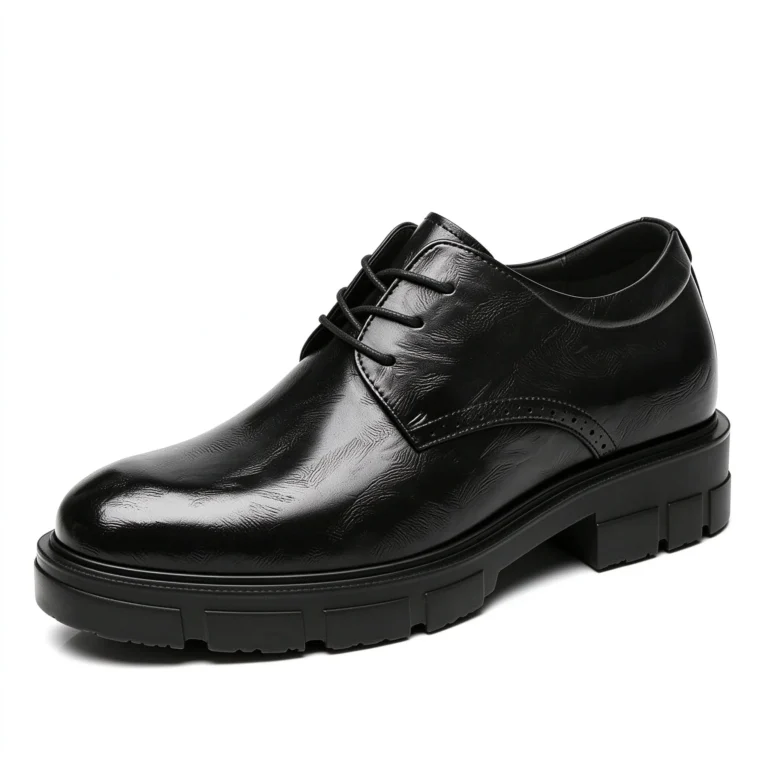
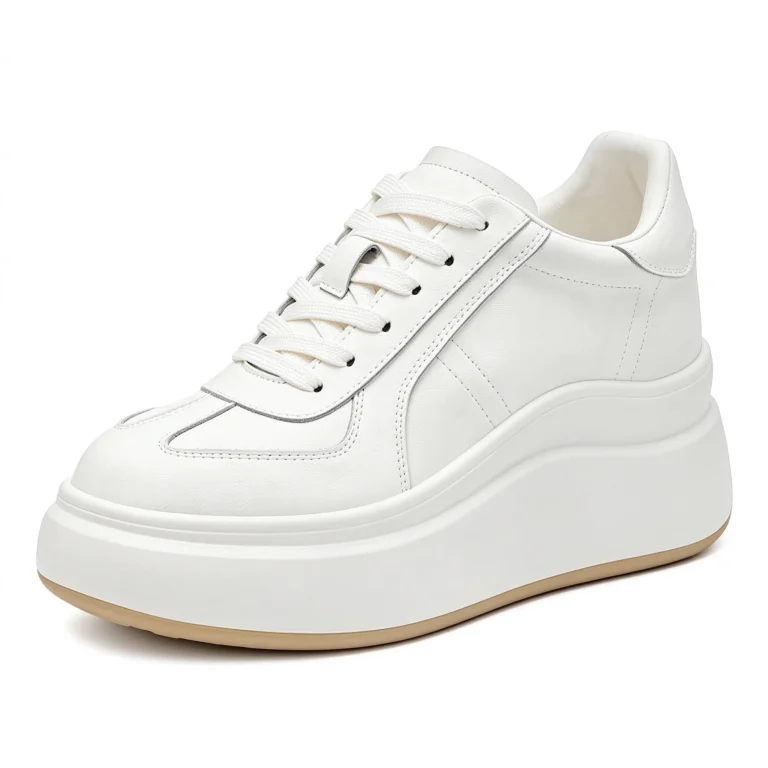
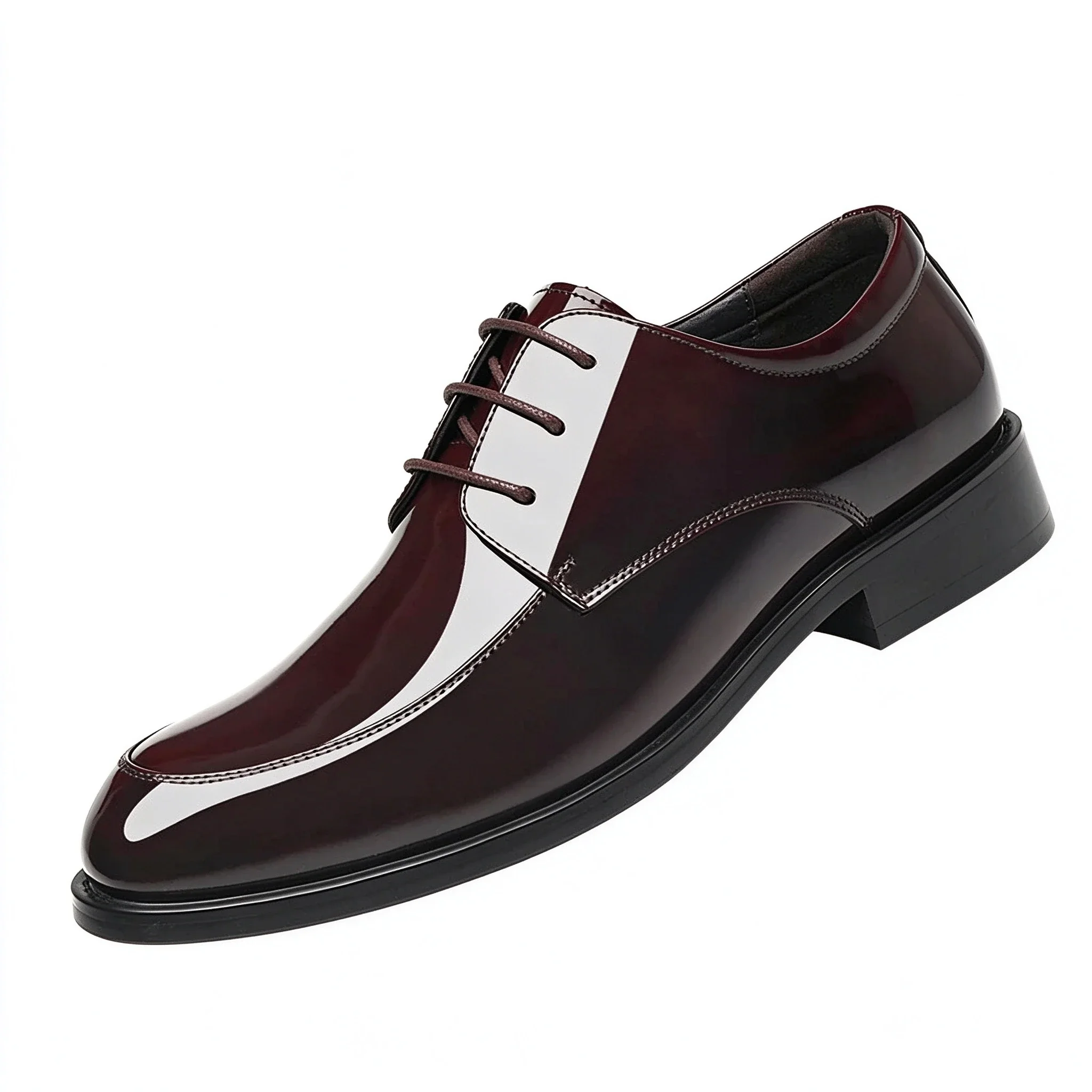
- 8 cm Height-Increasing Shoes | Men's Business Formal | Patent Leather Derby Groom Wedding Shoes — Full specs, size chart and product photos
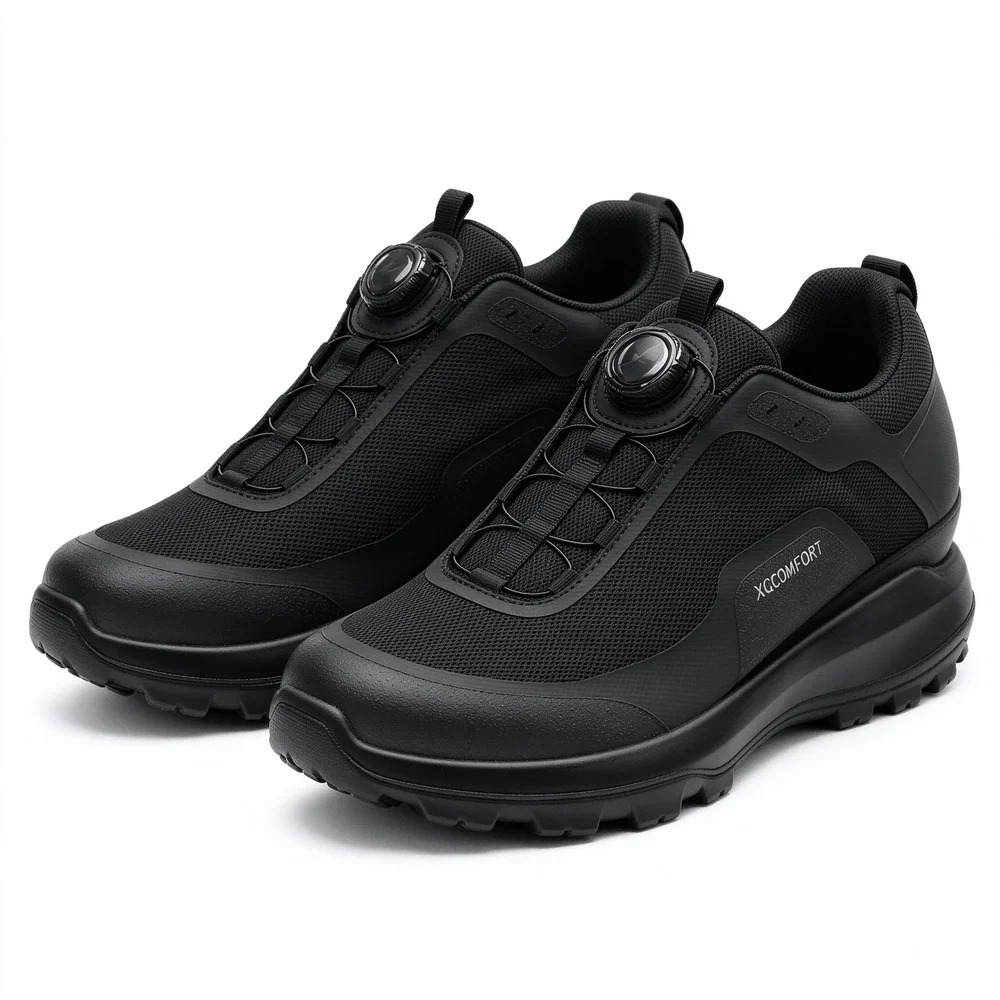
- 7 cm Height-Increasing Shoes | Men's Casual Sports | Breathable Cloth Height-Increasing Casual Shoes — Full specs, size chart and product photos
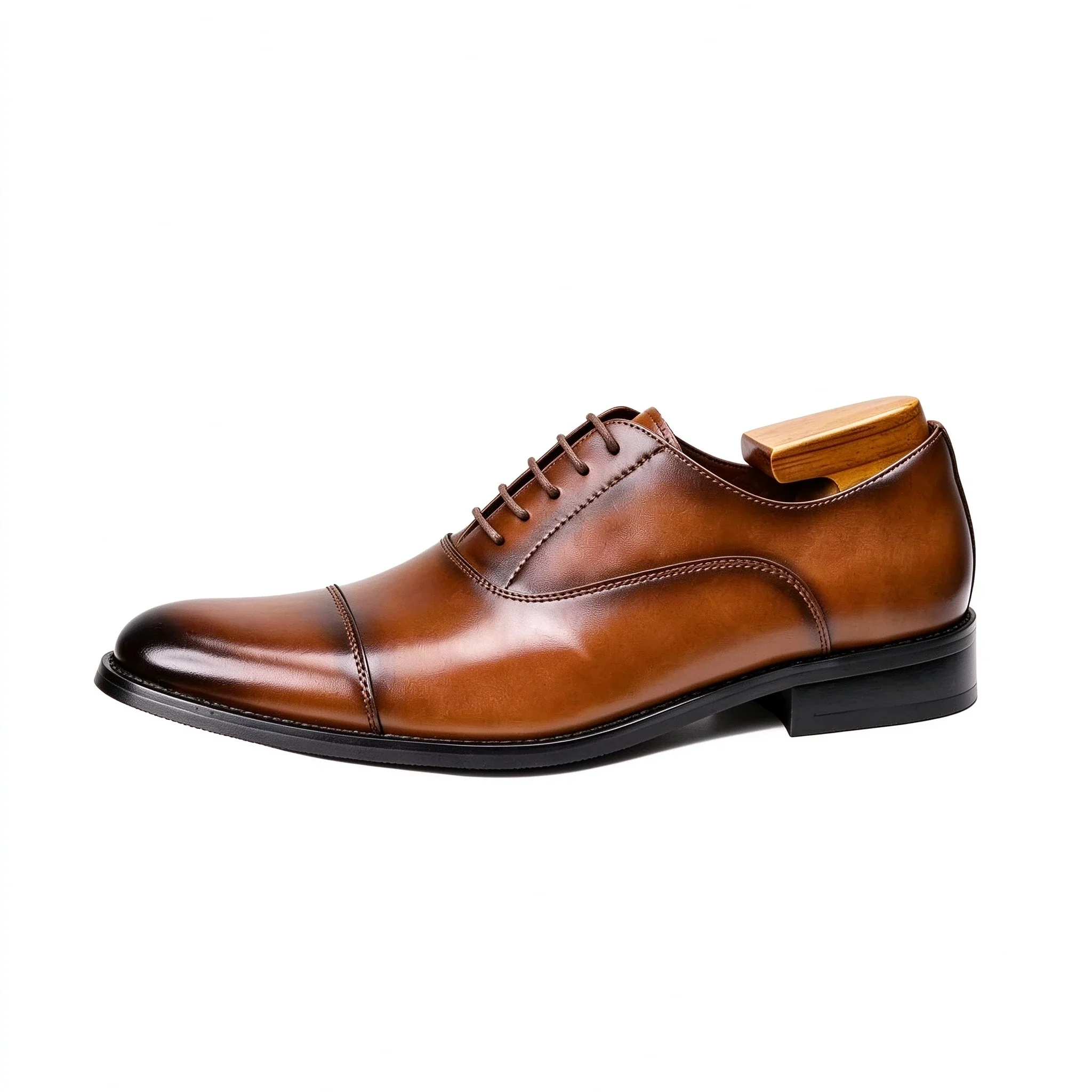
- 10 cm Height-Increasing Shoes | Men's Formal | Brogue Genuine Leather Derby Shoes — Full specs, size chart and product photos
- 8.5 cm Height-Increasing Shoes | Women's Everyday | Platform Canvas Derby Training Shoes — Full specs, size chart and product photos
Further reading
- Size and Last Guide — Size charts, how to measure your feet and fit notes by style
- Do height-increasing shoes hurt your feet? Starting from foot structure — Foot structure and comfort when wearing height-increasing shoes
Still deciding? Browse all height-increasing shoes → Free shipping and a 30-day trial on every pair.