How to Choose Height-Increasing Shoes? 3 Key Points for First-Time Buyers in 2026
First key: Choose the right height, more important than choosing a brand
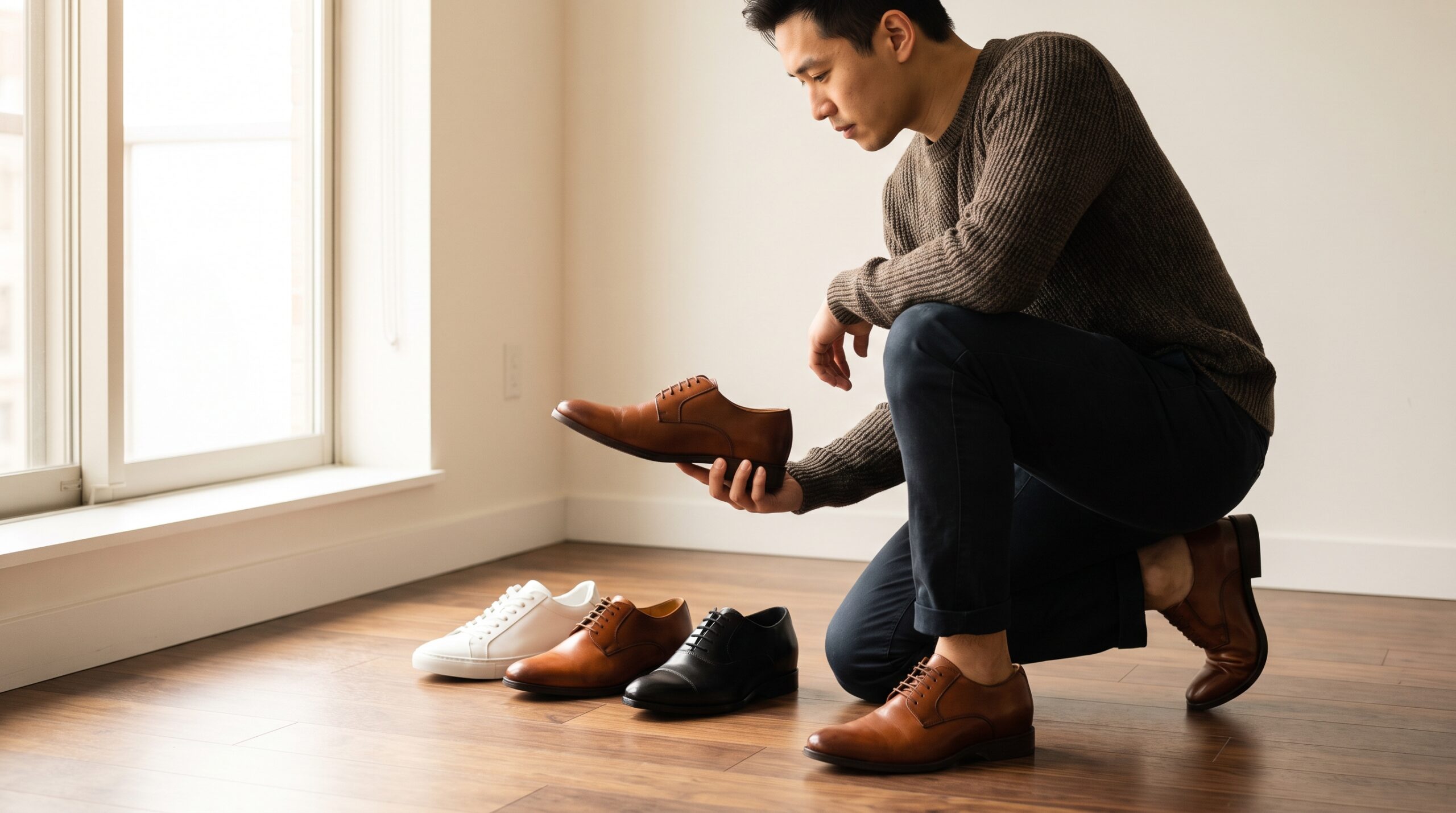
First-time height-increasing shoe buyers’ most common problem isn’t which brand is good, but ‘how many centimeters should I wear?’ This question sounds simple, but many people choose the wrong height — buying too low gives no effect, buying too high makes the center of gravity unstable when walking, and eventually they put it in the shoe cabinet and never wear it again.
Why do 9 out of 10 beginners choose the wrong height?
Because ‘height’ is a very subjective feeling. When you see ‘+7 cm’ online, you imagine yourself standing 7 cm taller, but you don’t think about how your ankle’s force changes when walking, and your back will ache after standing all day. After selling thousands of pairs of shoes, we found that 9 out of 10 first-time height-increasing shoe buyers who choose the wrong height buy too high, because people are afraid that ‘buying too short is equivalent to not wearing them’.
The key to choosing height isn’t ‘how tall do I want to be’, but ‘how long do I usually need to walk’. Business people stand 8 hours a day, the sweet spot for beginners is 5 cm; wedding guests stand 30 minutes, the groom’s sweet spot is 7 to 8 cm.
5 cm: Beginner’s sweet spot
5 cm is the most comfortable transition from ‘regular shoes’ to ‘height-increasing shoes’. It adds 2 to 3 cm compared to ordinary leather shoes, the difference is barely noticeable in appearance, but you stand noticeably straighter; you don’t need to re-learn how to apply force when walking, and you won’t have a sore back after standing for half a day. If you’ve never worn height-increasing shoes in your life, buy this height for your first pair.
7 cm: Main height (best-selling)
7 cm is the height we sell the most, and also the interval with the highest acceptance among Taiwanese users. It’s suitable for job interviews, meetings, and weddings, and it’s not so high that you walk like a stilt. Business leather shoes, derby shoes, and German army trainer (GAT) sneakers are most complete in this height, with the most style options.
8 cm: Groom’s wedding sweet spot
Wedding occasions are ‘important but short’ scenarios: greeting guests, entering the venue, toasting, taking photos, totaling about 2 to 3 hours of standing and walking. 8 cm is perfect for this period, adding 1 cm gives a noticeable height difference, and subtracting 1 cm returns to the realm of regular shoes. Grooms are most stable in 8 cm.
10 cm: Special occasions
10 cm is stage-level height increase, suitable for performances, special shoots, or people who clearly know they want to be taller. It takes a month to get used to walking, and your back will ache after standing for a long time — let’s be clear about this, not all occasions are suitable for 10 cm.
Second key: Material is more important than brand
For the same pair of height-increasing shoes, changing the leather from synthetic leather to top-grain leather costs about 800 to 1500 more, but the wearing experience difference is: synthetic leather may crack after 3 months, may make your feet stuffy; top-grain leather will still be in good condition after 3 years.
Genuine leather vs synthetic leather: How to tell?
Check the material section on the product page. Writing ‘top-grain leather’ or ‘genuine leather’ is genuine leather; writing ‘synthetic leather’, ‘PU’, ‘microfiber’ is synthetic leather. But be careful of vague descriptions like ‘genuine leather spliced with synthetic leather’ — this refers to the upper made of genuine leather, and the inside or sole is synthetic leather. Tallizen’s product pages clearly mark which part is which leather.
It’s very simple to check genuine leather: the back of genuine leather has rough fiber patterns, while the back of synthetic leather is a smooth whole fabric. If you’re not sure, ask customer service for a cross-section image of the material, reputable online stores will provide this.
Mesh: Invisible option for summer commuting
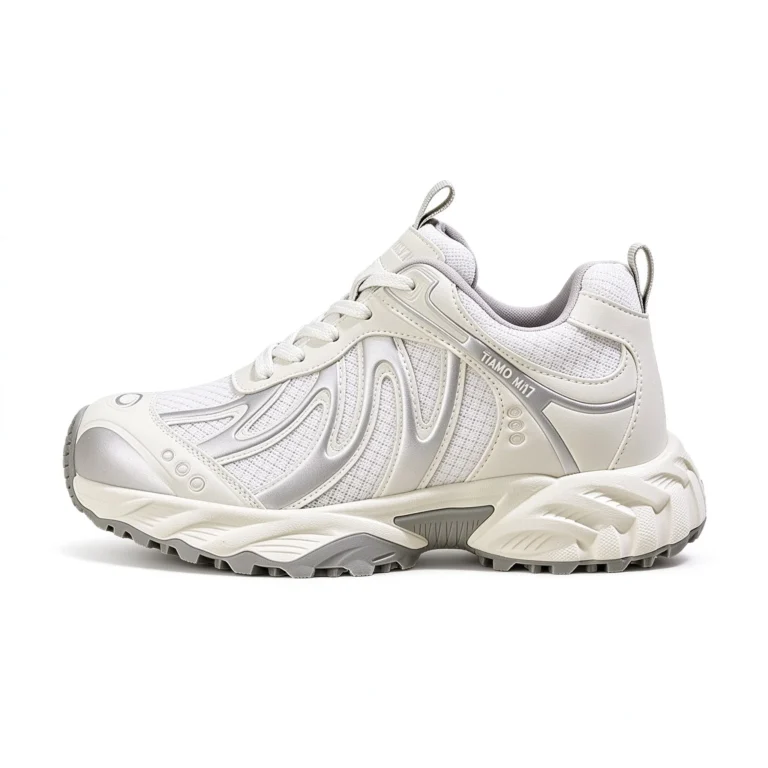
Mesh shoes are the mainstay in Taiwanese summer. Breathability is its biggest advantage, the disadvantage is that ‘formality’ is slightly lower, not suitable for offices or formal occasions. Tallizen’s mesh height-increasing shoes mainly target the ‘sports + commuting’ range, pair with jeans or casual pants to go to work.
Patent leather: Visual boost for formal occasions
Patent leather shoes are a visual boost for business occasions — they have a layer of luster under light, looking more grand than matte leather shoes. But the special thing about patent leather is: choose the craftsmanship. Cheap patent leather will crack (like frost on a pond surface), good patent leather has uniform mirror reflection. Test method: Hold it under natural light and turn it 45 degrees, good patent leather reflection should be smooth transition, no ‘orange peel’ unevenness.
Third key: Match occasion and shoe type
Height increase solves ‘how tall you stand’, but ‘does the aura fit’ is determined by the shoe type. The same pair of 7 cm shoes, Oxford shoes and German army trainer (GAT) sneakers give completely different impressions at a job interview.
Business formal occasions: Oxford shoes, Derby shoes
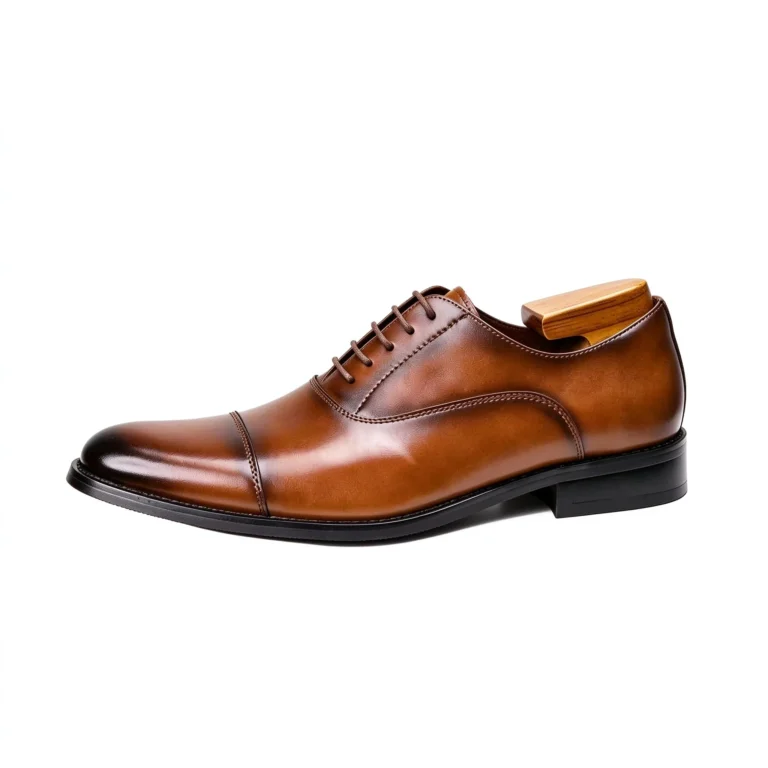
Oxford shoes and Derby shoes are the two most common shoe styles for business occasions. The difference lies in the shoe collar: Oxford shoes have a closed shoe collar, giving the highest formal feel; Derby shoes have an open, slightly wider shoe collar, which is less formal but more comfortable. For job interviews, it’s recommended to start with Oxford shoes—this is the safest choice for newcomers.
Derby shoes have variations like Cap Toe, Brogue etc. Cap Toe is the most formal (with two horizontal lines dividing the toe area), while Brogue is the most stylish (with decorative perforations but leans more casual).
Date occasions: Slip-on shoes, German Trainers
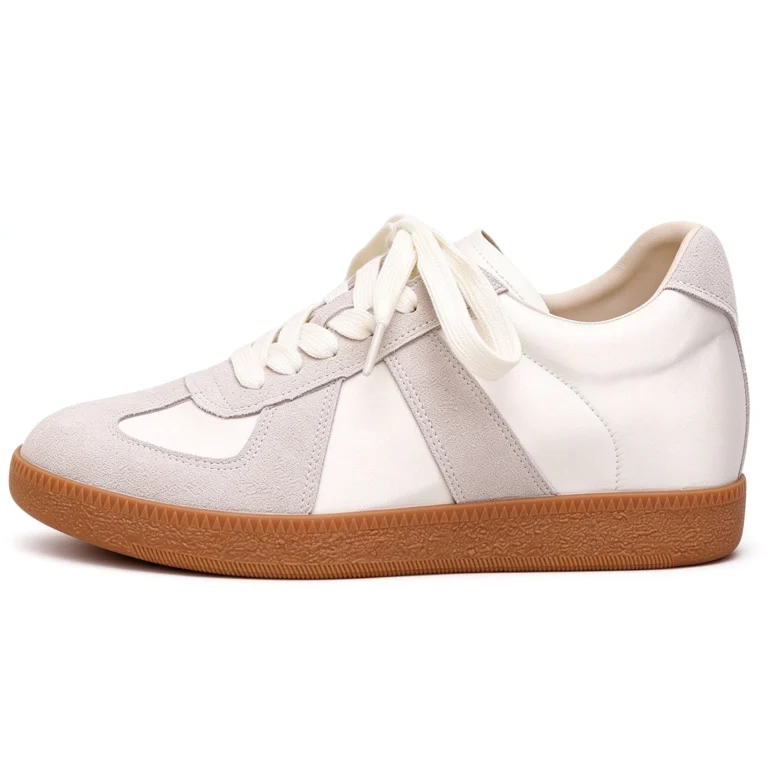
For dates, you don’t need the most formal shoes, but you need something “extra high-quality”. Slip-on shoes are easy to put on and take off, look sleek visually, and pair well with jeans to cropped pants; German Trainers are casual shoes originating from German military training shoes—retro but not flashy, perfect for dinners, movies, and dates.
Groom’s wedding: 8cm sweet spot, paired with pointed-toe patent leather
For grooms at weddings, 8cm + pointed toe + patent leather is recommended. The pointed toe visually lengthens the leg line, and the patent leather’s shine stands out especially in photos. The 8cm height adds 8cm to your usual height when walking down the aisle, but it won’t be noticeable. If choosing over 10cm for grooms, it’s advised to “stand” more than “walk”—slow down steps when taking group photos, and keep your center of gravity stable.
How to verify that what you’re buying is a “true hidden lift” (height-increasing shoe), not just a shoe insert?
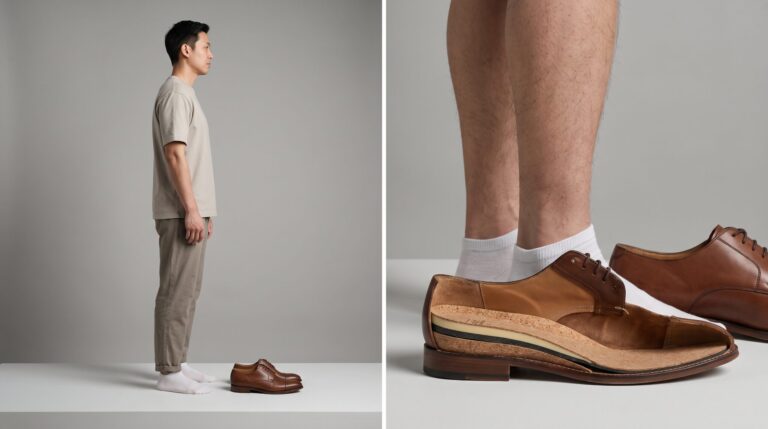
There are two types of “height-increasing” shoes on the market: one is sole structure height increase (the height-increasing layer is integrated into the sole, with a one-piece appearance), and the other is insole height increase (a general insole with an added height-increasing insert inside the shoe—looks the same visually but has much worse stability when walking). The two may be priced similarly, but the comfort difference is huge.
Remove the insole to check the structure
Pull out the insole of the height-increasing shoe and look at the sole structure below. All Tallizen shoes use EVA integrated height layer—the height layer fills the entire sole, integrated with the upper and heel, not just a sponge insert. This structure concentrates weight on the midsole near the arch, making standing stable. In contrast, “height-increasing shoes” with inserts have empty toe boxes, shifting the center of gravity toward the heel.
Toe box space test
Tallizen shoes fit true to size – the hidden lift sits under the insole and does not change the shoe last, so take the size you normally wear. If your foot length falls between two sizes, or you have high insteps or wide feet, step up one size (our sizes run in full EU numbers). When wearing, your toes can move inside the toe box but won’t wiggle around unnecessarily—this “comfortable yet slightly snug” foot feel is the feature of structure height increase.
Frequently Asked Questions
Q1: Will first-time wearers of height-increasing shoes feel uncomfortable?Yes, but you’ll usually get used to it in 3 to 7 days. It’s recommended to wear them for less than 2 hours on days 1 to 3, 4 hours on days 4 to 7, and gradually extend the time after that. If you still feel uncomfortable after a week, it might not be the height-increasing issue but a wrong shoe last.
Q2: Will height-increasing shoes be noticed?Structure height-increasing shoes look almost identical to regular shoes from the outside; they’re unnoticeable from the side, front, or top view. The only way others might tell is if they see the inside of the shoe collar when you take off your shoes, but this isn’t a common scenario in Taiwanese culture. Unless you tell them actively, the chance of being noticed in daily interactions is extremely low.
Q3: What if the size doesn’t fit?Tallizen offers a free one-time size exchange service. Remember to contact customer service within 30 days of delivery, return the original shoe box (unworn, with complete tags), and we’ll cover the shipping cost once.
Conclusion
The first requirement when choosing height-increasing shoes isn’t the brand—it’s the height. Next is the material, and finally the occasion and shoe style. We’ve seen too many customers buy height-increasing shoes that “sit unused after one wear”—the reasons are always choosing too high a height initially, buying fake leather, or mismatching the shoe style with the occasion. Double-check these three key points from this article: 5cm for beginners, 8cm as the main choice, genuine leather, and matching shoe style to occasion—if all 4 conditions are met, you won’t go wrong with your first pair.
Shop the Styles Mentioned in This Guide
First pair? Focus on lift height, last fit and occasion. These are the most beginner-friendly styles.
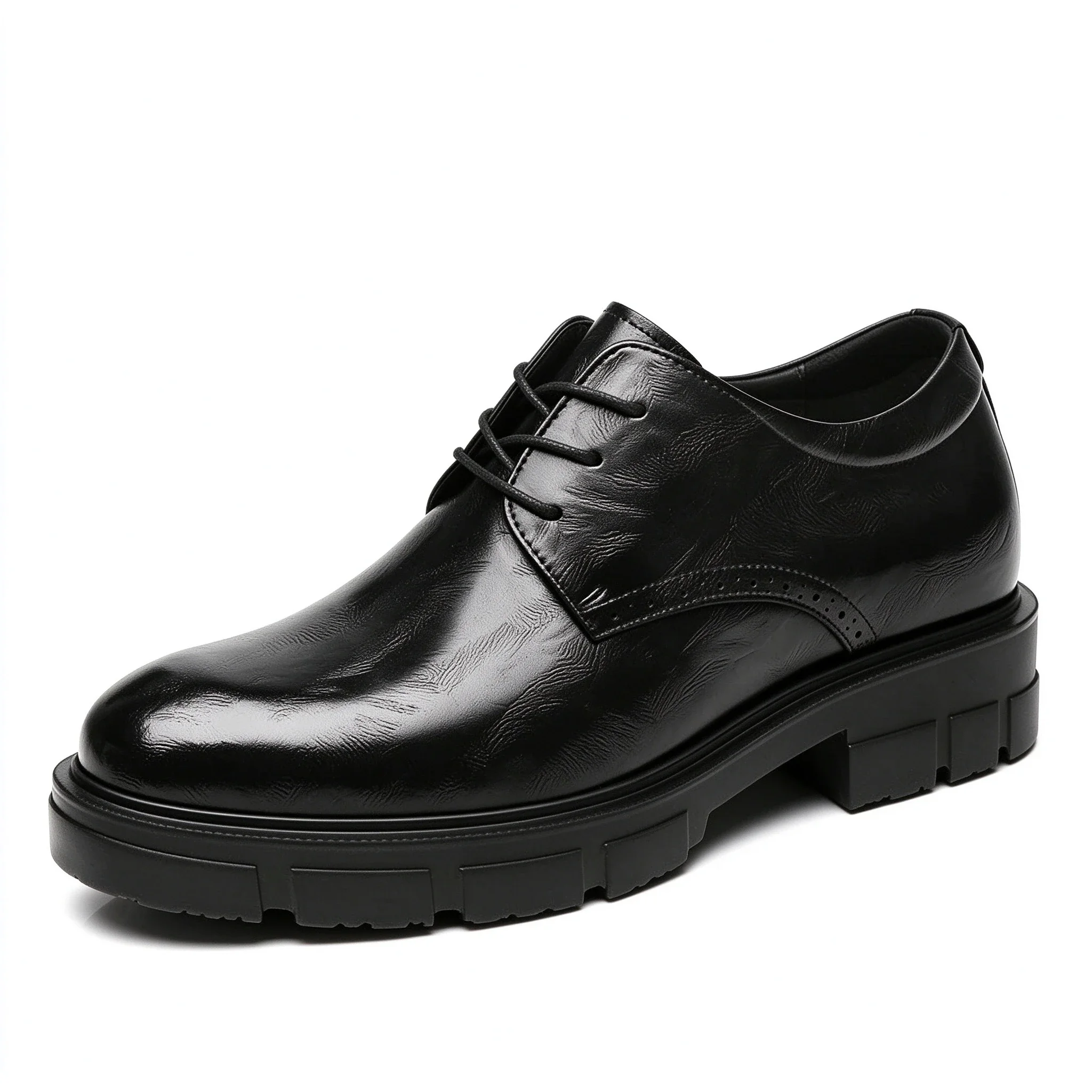
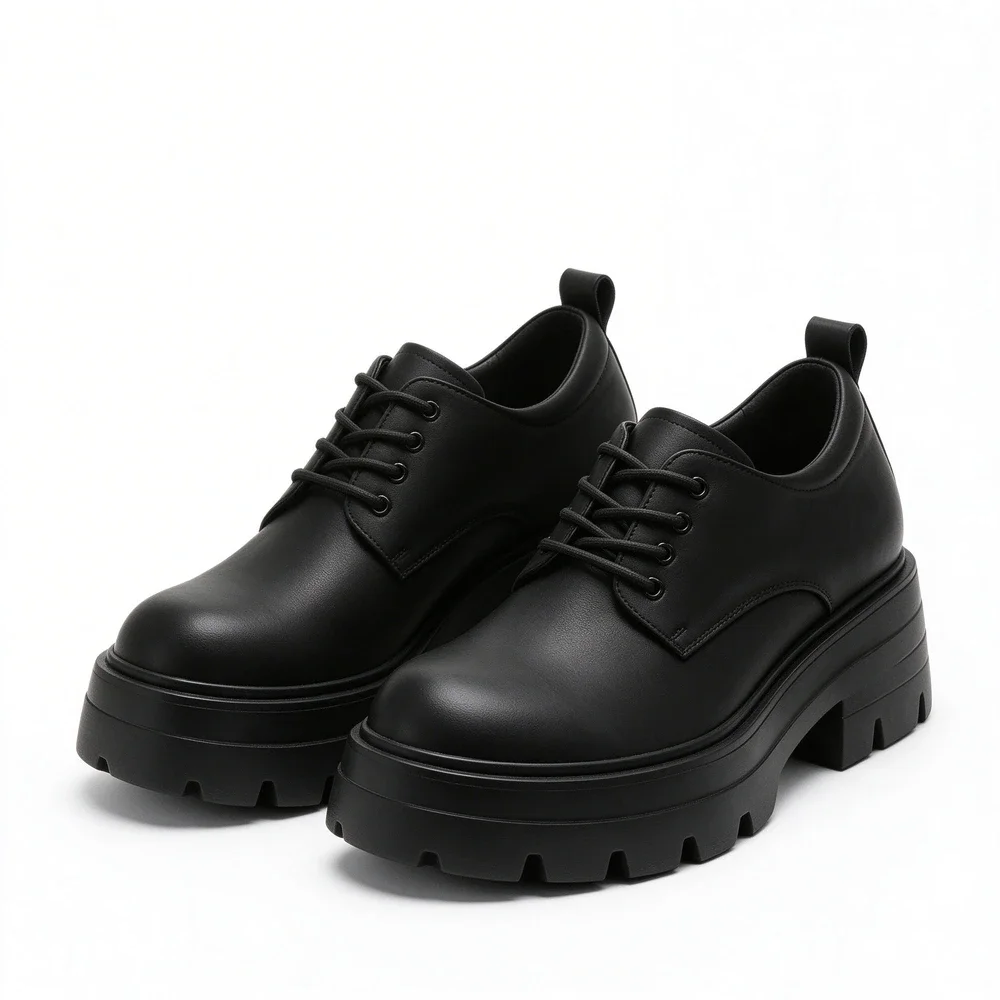
Recommended styles for this topic
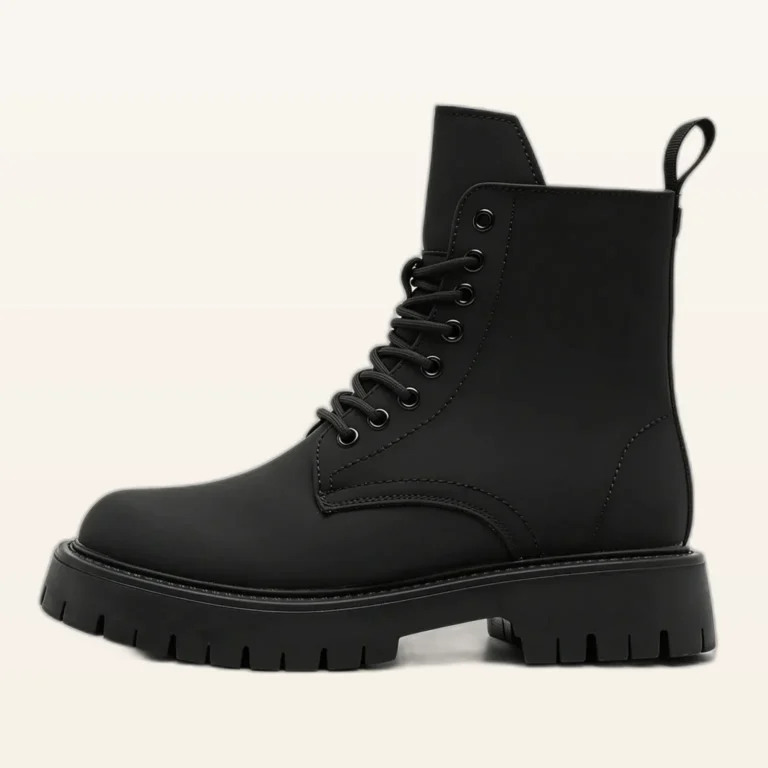
- 10 cm Height-Increasing Shoes | Men's Business Formal | Platform Derby Groom Shoes — Full specs, size chart and product photos
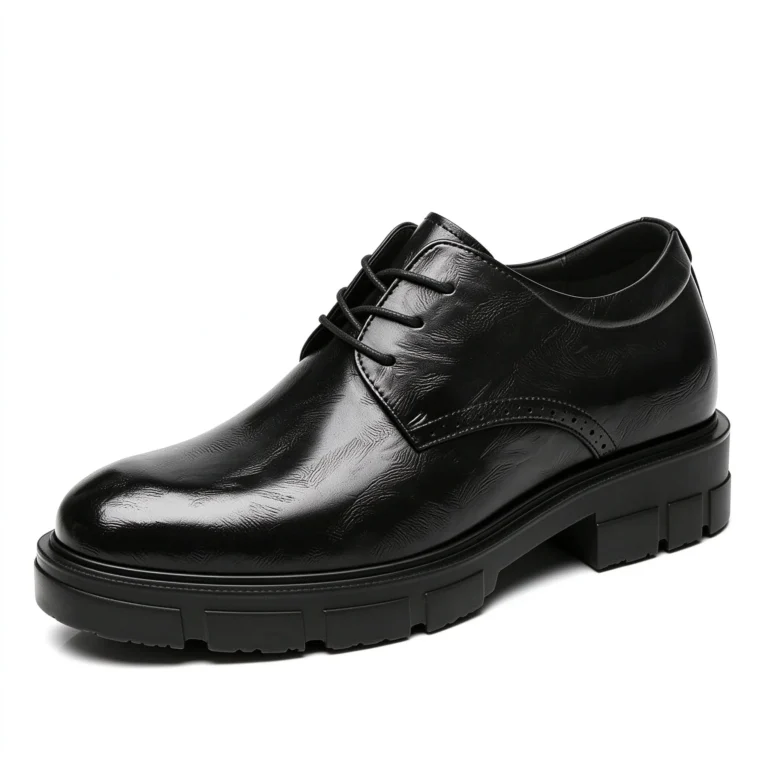
- 7 cm Height-Increasing Shoes | Men's Business Casual | Round-Toe Derby Height-Increasing Leather Shoes — Full specs, size chart and product photos
- 8 cm Height-Increasing Shoes | Men's Casual | Genuine Leather Platform Dad Sneakers & Skate Shoes — Full specs, size chart and product photos
- 5 cm Height-Increasing Shoes | Men's Business Casual | Retro German-Trainer Style Height-Increasing Sneakers — Full specs, size chart and product photos
Further reading
- 6 cm Height Increase — 6 cm lift styles and everyday outfit ideas
- Size and Last Guide — Size charts, how to measure your feet and fit notes by style
Still deciding? Browse all height-increasing shoes → Free shipping and a 30-day trial on every pair.