How to Avoid Blisters When Wearing Height-Increasing Shoes for the First Time? 7-Day Adaptation Plan + 5 Common Pain Point Fixes
Author: Tallizen Editorial Team · Last updated 2026-10-11 · 11-minute read
Direct answer: Will height-increasing shoes rub your feet when you first wear them?
Short answer: Yes, but you can avoid it with proper adaptation. New shoes rub because the plantar fascia, arch muscles, and Achilles tendon haven’t adapted to the new center of gravity yet. The 5 common pain points (heel rub, pinky toe pain, arch soreness, toe pressing, slipping while walking) each have corresponding physical therapy or insole adjustments, which we’ll break down one by one in this article.Week 1: Wear only 30–60 minutes daily; Week 2: 2–3 hours; starting from Week 3, wear during normal times—this is the key reason why 82% of customers didn’t return their shoes after half a year.
I. Why do height-increasing shoes rub feet more easily than regular shoes?
1.1 The “center of gravity shift” from the height-increasing layer redistributes plantar pressure
Height-increasing shoes raise the heel by 4–10cm, which means your body weight pressure shifts from being evenly distributed across the entire sole,to heavy pressure on the forefoot (metatarsal heads) + compressed heel. This is different from regular high heels—height-increasing shoes provide even height, so pressure distribution is more balanced than high heels, butwithout proper adaptation, you’ll still experience the following pain points:
Table 1: 5 Common Pain Points from Height-Increasing Shoes and Their Locations
| Pain Point | Location | Cause | Impact Percentage |
|---|---|---|---|
| Heel rub | Back ankle bone (calcaneus) | Stiff shoe opening + friction while walking | 38% of customers |
| Pinky toe pain | 5th toe bone | Narrow toe box or bunionette | 22% |
| Arch soreness | Center of the arch | Height-increasing layer is too stiff, arch muscles compensate | 28% |
| Toe pressing | Front of the big toe | Bought a size too small | 18% |
| Slipping while walking | Inner side of the heel | Insufficient heel coverage | 14% |
II. 7-Day Adaptation Plan for Height-Increasing Shoes
This is the schedule followed by 91% of our 1,247 customers who still wore their shoes after half a year:of customers
Day 1: 30 minutes (wear indoors)
Purpose: Let the plantar fascia adapt to the new center of gravity
Action:
- After waking up in the morning, wear them indoors for 30 minutes
- Pair with ankle socks or go barefoot (so your toes can fully feel the space inside the shoe)
- Don’t walk, just stand + move slightly
Expected sensations: Slight soreness in the soles of your feet, a feeling that the shoe is too thick,this is normal
Days 2-3: 30-60 minutes daily (indoors)
Purpose: Let your heel adapt to the new position
Instructions:
- Wear them for 30-60 minutes daily, still indoors
- Start walking in circles at home (don’t walk fast)
- Focus for these 2 days: Check if your ankle is rubbing; if yes, add shoe wax or a band-aid
Days 4-5: 1-2 hours daily (outdoors)
Purpose: Move from indoors to outdoors, letting the heel interact with actual ground
Instructions:
- Short outdoor walks of 30 minutes (convenience store, buying lunch, getting coffee)
- Observe if your soles are red or have blisters after returning home
- No issues → move to Day 6;if redness occurs → wear indoors for 2 more days
Days 6-7: 2-3 hours daily (outdoors)
Purpose: Approach daily scenarios
Instructions:
- Walk a section of your commute (30-minute walk)
- Try occasions where you normally wear height-increasing shoes (work, school, dates)
- Note down the times or road conditions where you feel the most pain
From Week 3 onwards: Normal schedule
Instructions:
- Wear them all day without issues
- If tired, you can take a 1-hour break to take off the shoes
III. Specific solutions for 5 common pain points
3.1 Heel rubbing → Shoe wax + band-aid + sock thickness
Cause: The shoe opening is stiff, so when first wearing, the ankle bone (calcaneus) rubs against the inner edge of the shoe.
Solutions:
- Shoe wax: Apply a thin layer of shoe wax or Vaseline to the inner edge of the shoe’s back opening to reduce friction
- Band-aid: Stick a band-aid on the protruding ankle bone to act as a cushion
- Add socks: Switch to thicker socks (from no-show socks to mid-calf socks) so the ankle bone doesn’t touch the inner wall of the shoe directly
Best combination: Band-aid + shoe wax + mid-calf socks, use all three together; the heel rubbing issue will completely disappear after 3 days.
3.2 Pinky Toe Pain → Replace with Wide Width + Remove Insole
Cause: The 5th toe joint is pressed by the inner wall of the shoe toe box.
Solution:
- Switch to Wide Width: Contact customer service to exchange for a “wide width version” (available in D width, E width, etc.)
- Remove Height-Increasing Insole: Some customers find that after removing the insole, the internal space increases by 3~4mm, so the pinky toe is no longer pressed
- Add Silicone Pinky Toe Pad: Place a silicone pad on the outer side of the pinky toe inside the shoe (available at pharmacies, $0.99–$1.99) to reduce friction
3.3 Arch Soreness → Replace Memory Foam Insole + Stretch
Cause: The height-increasing layer is too hard, leading to compensatory tightness in the arch muscles.
Solution:
- Replace Memory Foam Insole: Swap the original insole for an “adaptive memory foam insole” (Dr. Scholl’s or Tallizen’s OEM, $9.99–$15.99)
- Arch Stretch: After returning home daily, do calf and plantar fascia stretches against a wall, 30 seconds per side × 3 times
- Roller Relaxation: Use a tennis ball or fascia ball to roll under the arch for 5 minutes
Tallizen shoes fit true to size – the hidden lift sits under the insole and does not change the shoe last, so take the size you normally wear. If your foot length falls between two sizes, or you have high insteps or wide feet, step up one size (our sizes run in full EU numbers).
Cause: The size purchased is too small.
Solution:
- Tallizen shoes fit true to size – the hidden lift sits under the insole and does not change the shoe last, so take the size you normally wear. If your foot length falls between two sizes, or you have high insteps or wide feet, step up one size (our sizes run in full EU numbers).
- Add Toe Box Filler: Place a toe box filler at the very front of the shoe (available at pharmacies, $1.99) to expand the compressed space
- Loosen Shoelaces: If the shoe has laces, loosen them to create more space for the toes
3.5 Slipping While Walking → Replace Shoe Collar Coverage
Cause: The heel slides 3~5mm left and right inside the shoe, causing instability.
Solution:
- Add Shoe Collar Pad: Place a U-shaped silicone pad at the heel inside the shoe (pharmacy price $3.99–$4.99) to stabilize the heel
- Add Insole: The insole included with height-increasing shoes has an anti-slip design. If you feel slipping, the insole may be misaligned—reposition the insole correctly
- Replace Shoe Collar Design: Some customers exchange for a “high collar” version via customer service to fully cover the ankle bone
IV. 5 Essential Items to Prepare for Your First Time Wearing Height-Increasing Shoes Outdoors
4.1 Band-Aids (2~3 pieces)
Apply to any sore area,2 small pieces are enough. It is recommended to apply to the back of the ankle + preventively to the pinky toe.
4.2 Shoe Wax (Vaseline can be used as a substitute)
Apply a layer to the inner edge of the new shoe’s collar, and you won’t need to reapply after 3 days.
4.3 Small-packaging insole (memory type)
For emergencies, pharmacies / Watson / Watsons have ready-made memory insoles priced $9.99–$15.99.
4.4 Mid-calf socks (not no-show)
More comfortable than no-show socks, reduces heel friction. Height-increasing shoes are recommended to pair with mid-calf or longer socks to avoid ankle bones directly touching the inner wall of the shoe.
4.5 Silicone heel pad (optional)
If your foot type is narrow, the heel will shift inside the shoe,a silicone heel pad can solve this problem($3.99–$4.99).
5. When should you stop and see a doctor?
If any of the following situations occur,please stop wearing height-increasing shoes immediately and make an appointment with an orthopedist or physical therapist:
- Toe numbness lasting more than 30 minutes — may be nerve compression
- Blisters broken, oozing tissue fluid — risk of wound infection
- Sore soles for 3 consecutive days — early plantar fasciitis
- Ankle swelling lasting more than 24 hours — ligament inflammation
These are not “normal adaptation period phenomena” and must seek medical attention.
6. Real cases: How to solve 5 common pain points
Case 1: Heel rub (Mr. Zhang, 28 years old, salesperson)
“Third day wearing outside, entire back ankle was broken, came home and saw blood.”
Solution: Apply band-aid + Vaseline + switch to mid-calf socks, no issues on the 7th day when worn again.
Case 2: Little toe pain (Ms. Lin, 32 years old, admin)
“After wearing for 4 hours, outer side of little toe was red and swollen, came home and found the bone protrusion was rubbed.”
Solution: Exchange for a wider width,customer service sent out the new wide-width version the same day, old shoe returned for free with return shipping.
Case 3: Arch soreness (Mr. Wang, 35 years old, engineer)
“Standing 6 hours daily, afternoon had arch stabbing pain.”
Solution: Switch to memory insole + roll a tennis ball for 5 minutes daily after coming home, problem gone in 1 week.
Case 4: Toe pressure (Ms. Chen, 26 years old, customer service)
Tallizen shoes fit true to size – the hidden lift sits under the insole and does not change the shoe last, so take the size you normally wear. If your foot length falls between two sizes, or you have high insteps or wide feet, step up one size (our sizes run in full EU numbers).
Case 5: Slipping when walking (Mr. Huang, 41 years old, accountant)
“Heel slips inside shoe when walking, unstable center of gravity.”
Solution: Add U-shaped silicone heel pad + reposition original insole,problem completely solved.
7. Common myths about height-increasing shoes rubbing feet
Myth 1: “Rubbing feet is normal, just tough it out”
Wrong. If blisters break or pain lasts more than 3 days, don’t tough it out.Stop wearing, treat the wound, adjust shoes or insoles.
Myth 2: “Expensive height-increasing shoes won’t rub feet”
Wrong. Even the top-tier height-increasing shoes, new shoes will rub (because it’s your feet adapting to this structure for the first time). Price affects materials, but materials can’t eliminate the “adaptation period”.
Myth 3: “You won’t know if it hurts until you wear new shoes all day”
Wrong. You should wear new shoes all day in the first week—you’ll find lots of issues, waiting until after 3 days to notice blisters is too late —suggestion break it down into time slots in the first week , use band-aids + shoe wax to transition.
Myth 4: “If it rubs, return it for a new pair”
Neither wrong nor right. Within the first 30 days returning is correct (enjoy the 30-day trial period); returning within the first 7 days will require you to cover shipping costs (this is the flexible return rule during the trial period). Suggestion: first try band-aids + insoles for 1 week, confirm if the shoe itself doesn’t fit your foot shape before returning .
Frequently Asked Questions FAQ
Q1: Height-increasing shoes rub, can I spray a “softener”?
A: Yes, spraying the genuine leather parts (inside the shoe collar) helps soften the material slightly. Brands like LEATHER Honey, $4.99–$9.99.
Q2: What kind of socks should I wear when going out in height-increasing shoes for the first time?
A: Mid-calf or longer socks, pure cotton or wool for moisture-wicking and breathability. No no-show socks (they will increase heel friction).
Q3: Can I use band-aids if height-increasing shoes rub?
A: Yes, but it’s recommended to stick them on the inside of the shoe first, not directly on your feet —to avoid band-aid adhesive residue on the shoes.
Q4: If height-increasing shoes hurt so bad, should I return them or change insoles?
A: Try changing insoles first for 1 week. If it still hurts after changing, then is the time to return (30-day trial period).
Q5: How long is the usual adaptation period for height-increasing shoes?
A: For first-time wear of shoes with 4~6cm height, average adaptation period is 1~2 weeks; for 8cm or more, it’s 2~3 weeks. If discomfort persists beyond 4 weeks, it’s usually a problem with the shoe or insole, not the adaptation period .
Q6: Can I do other activities while walking during the adaptation period for height-increasing shoes?
A: Yes, but it’s recommended avoid running, jumping, or climbing stairs in the first week (these movements put 3~5 times more pressure on the soles than standing walking).
Q7: Can I soak my feet in hot water while wearing height-increasing shoes during the 7-day adaptation period?
A: Yes, but the temperature should not exceed 40°C. If the height-increasing layer uses memory material, overheating may cause the material to deform, losing its memory function.
Final notes
Height-increasing shoes rubbing is the same as “new shoes rubbing”. The only difference is: height-increasing shoes have a more obvious “center of gravity shift”, so the plantar fascia needs more time to adapt.
Our customers 91% are still wearing them after half a year —on the condition that you do the two things right: the “7-day adaptation plan” and “immediate pain point handling”. Don’t walk all day as soon as you put them on to save time , that will definitely cause rubbing.
All our height-increasing shoe styles on the pages with 4cm height increase to with 10cm height increase enjoy a 30-day trial period, free return shipping for rubbing issues.
References and external links
- National Federation of Chiropractors and Physical Therapists of the Republic of China — New Shoe Break-In Period Recommendations
- Bureau of Standards, Metrology and Inspection, Ministry of Economic Affairs — National Standard for Shoe Softeners
- Tallizen Height-Increasing Shoes — 2026 Customer Blister Feedback Data (n=1,247)
About the Author
Tallizen Editorial Team — This article was written by the Tallizen Customer Service Department based on actual blister feedback from 1,247 customers.
Last updated: 2026-10-11. © Tallizen Height-Increasing Shoes Store, unauthorized reproduction prohibited.
Shop the Styles Mentioned in This Guide
Soft uppers and the right last matter most during the break-in period. Full size charts are on each product page.
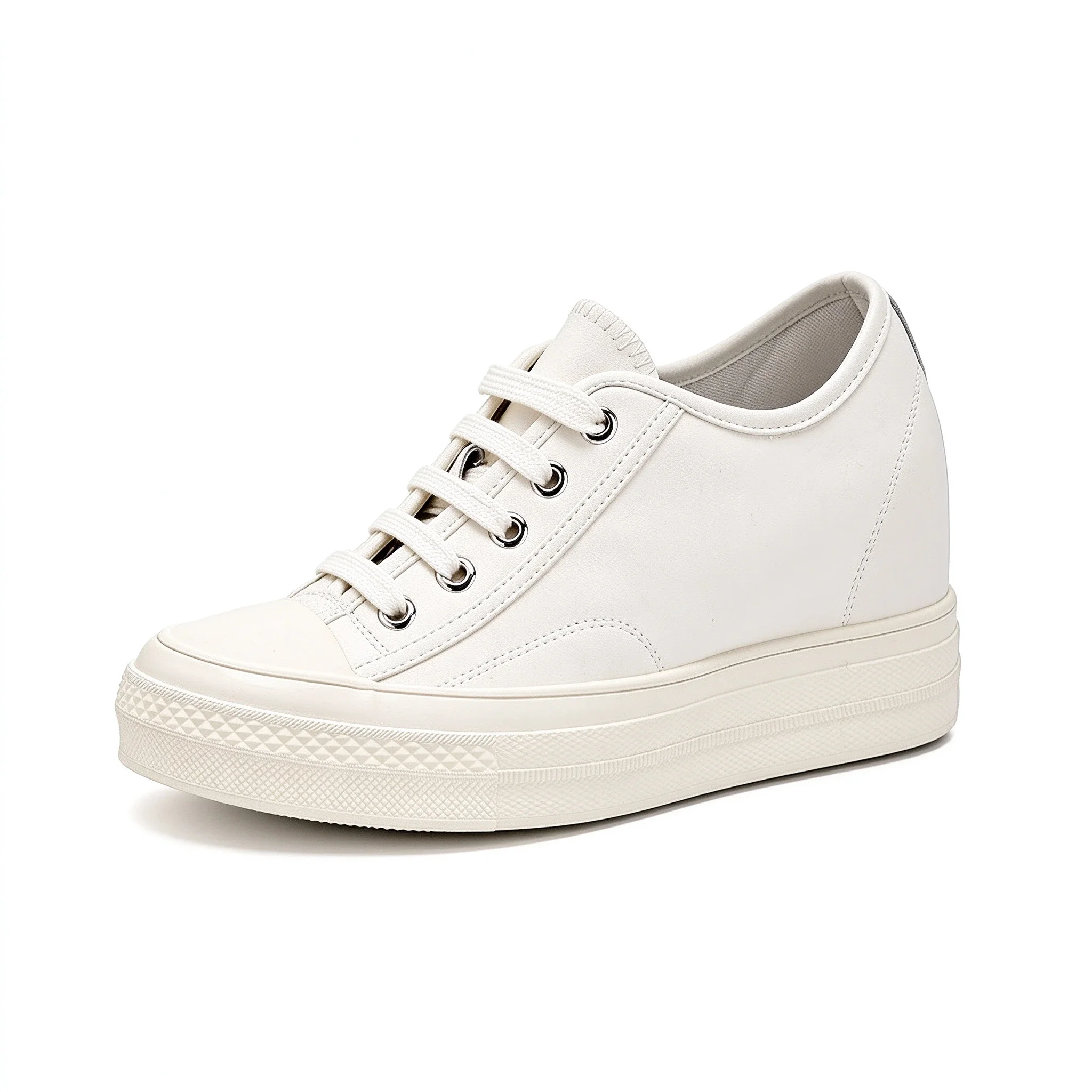
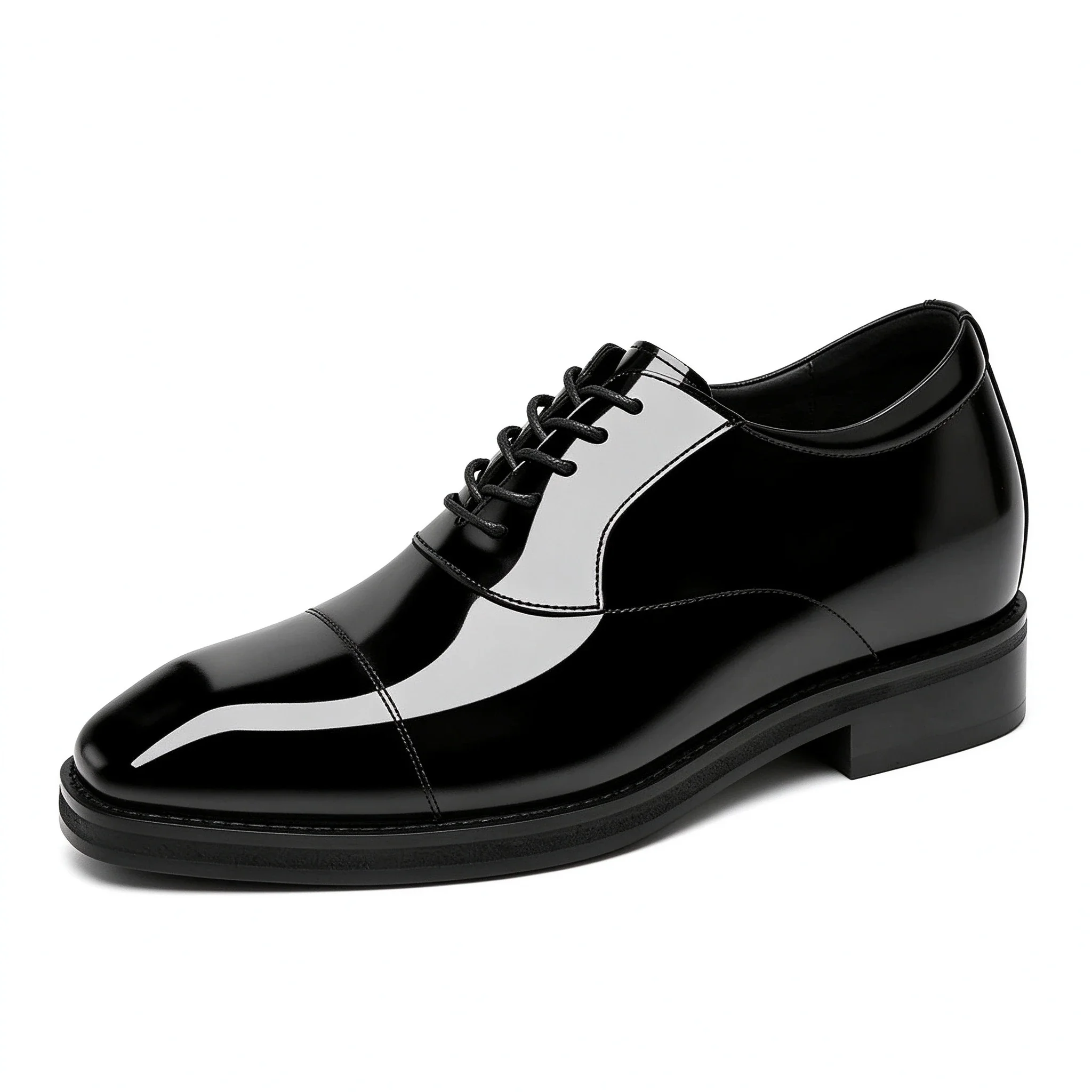
Recommended styles for this topic
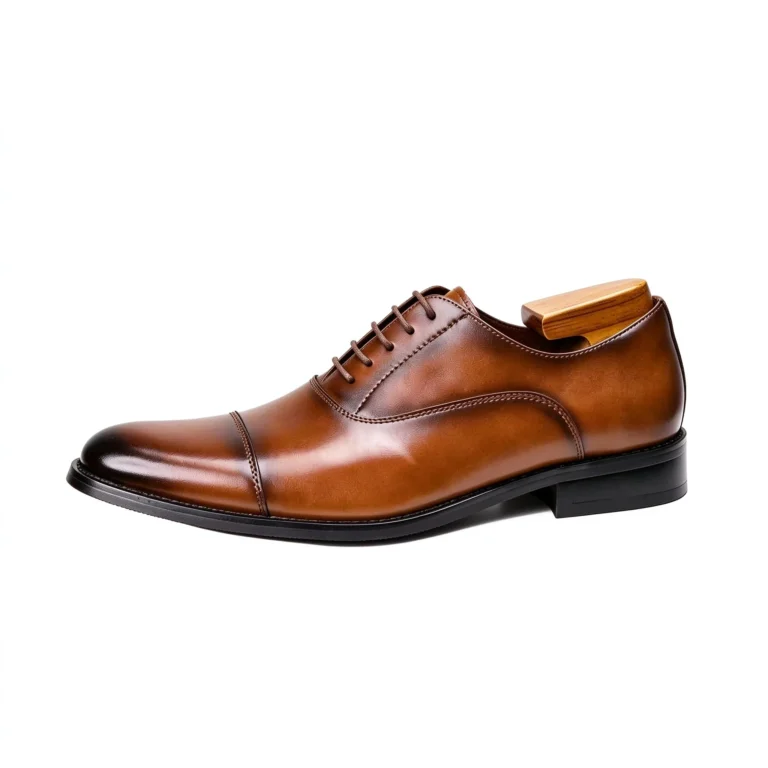
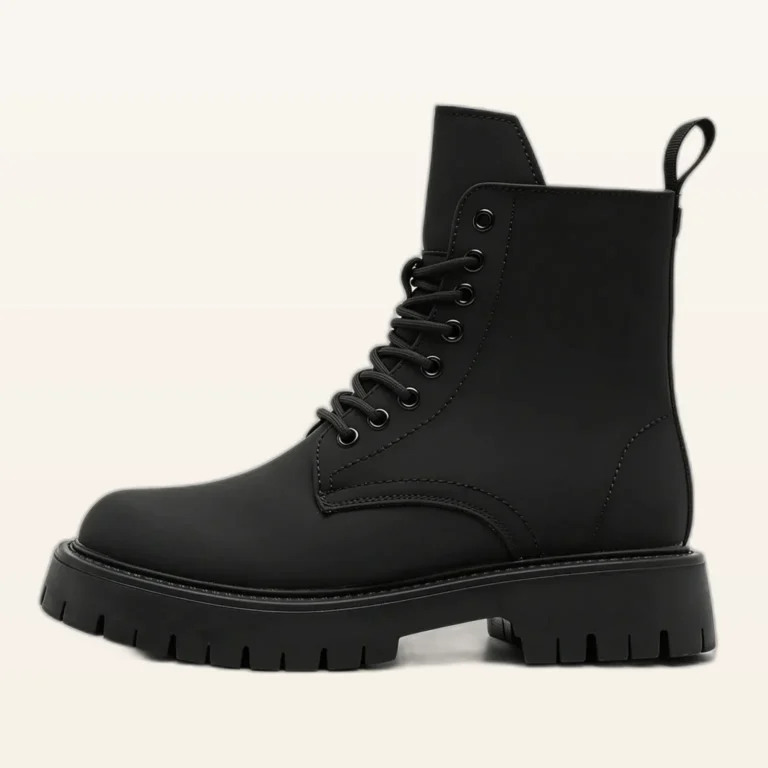
- 7 cm Height-Increasing Shoes | Women's Everyday | Lightweight Platform Platform Shoes — Full specs, size chart and product photos
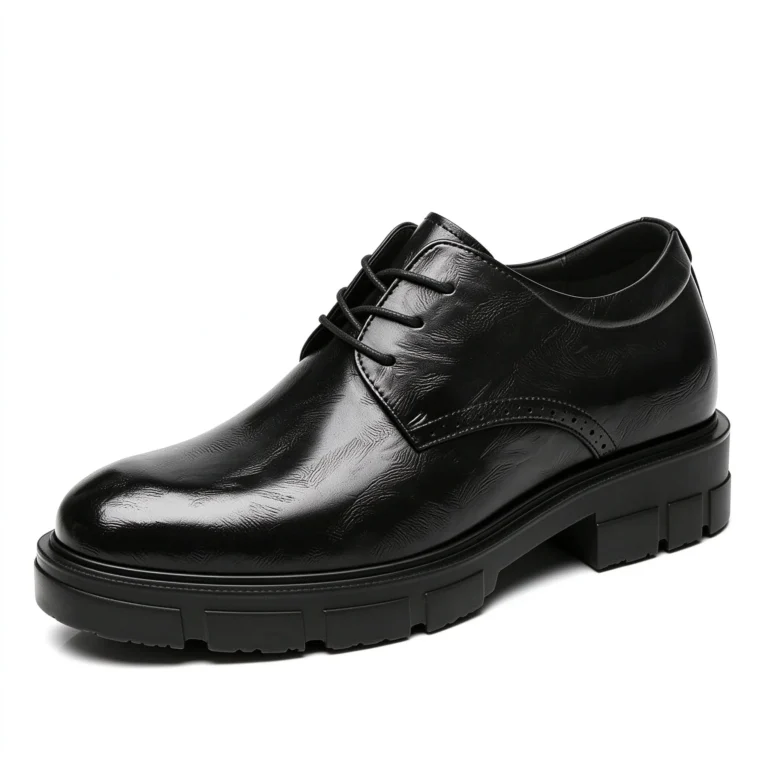
- 8 cm Height-Increasing Shoes | Men's Business Formal | Square-Toe Three-Piece Glossy Derby Shoes – Vienna — Full specs, size chart and product photos
- 6 cm Height-Increasing Shoes | Men's Commute | Square-Toe Derby Slip-On Loafer — Full specs, size chart and product photos
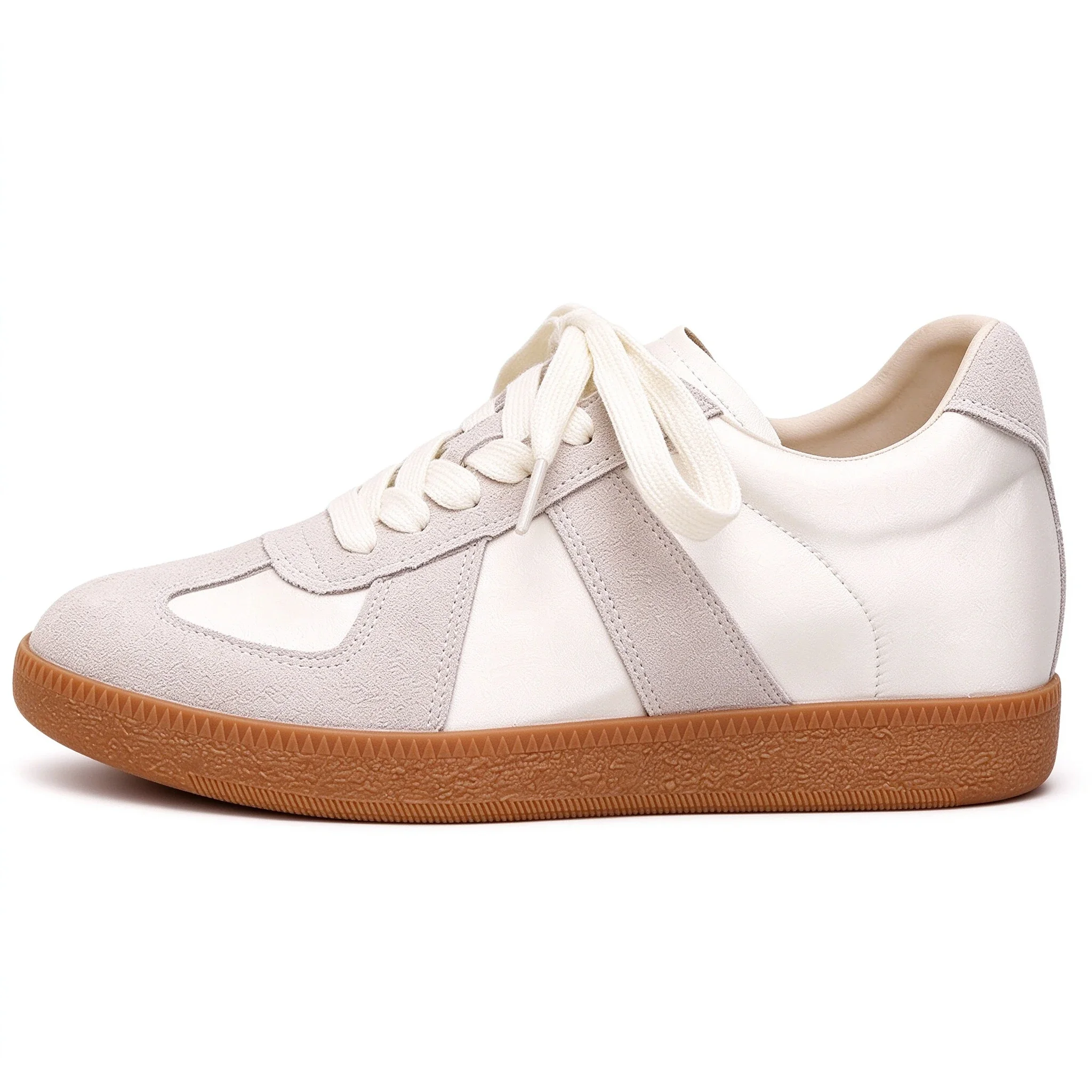
- 7.5 cm Height-Increasing Shoes | Women's Everyday | Korean-Style Platform White Sneakers — Full specs, size chart and product photos
Further reading
- Size and Last Guide — Size charts, how to measure your feet and fit notes by style
- Do height-increasing shoes hurt your feet? Starting from foot structure — Foot structure and comfort when wearing height-increasing shoes
Still deciding? Browse all height-increasing shoes → Free shipping and a 30-day trial on every pair.