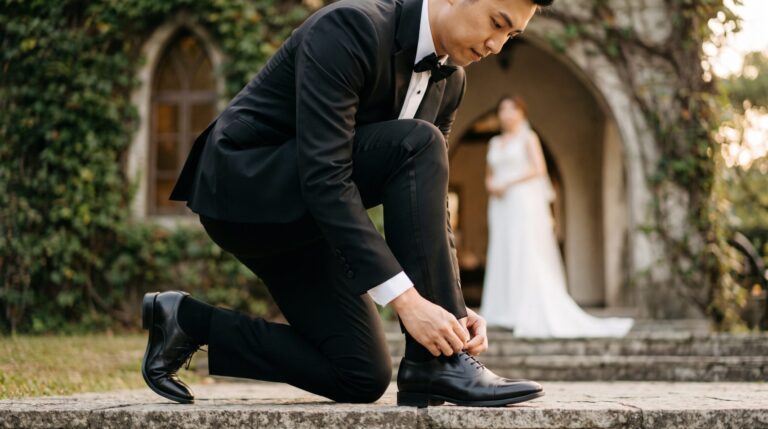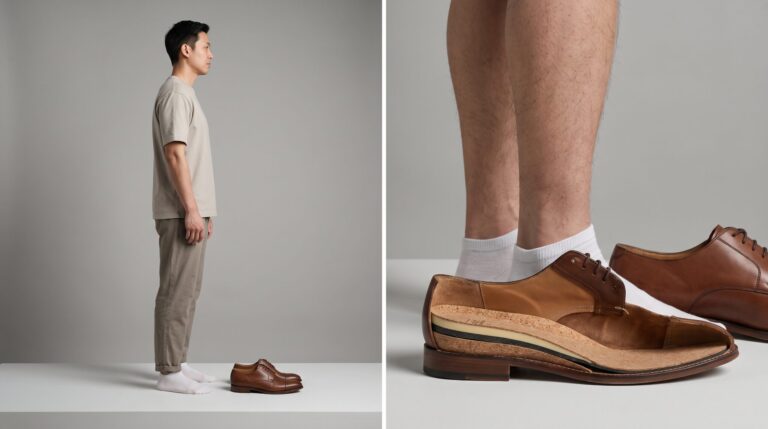
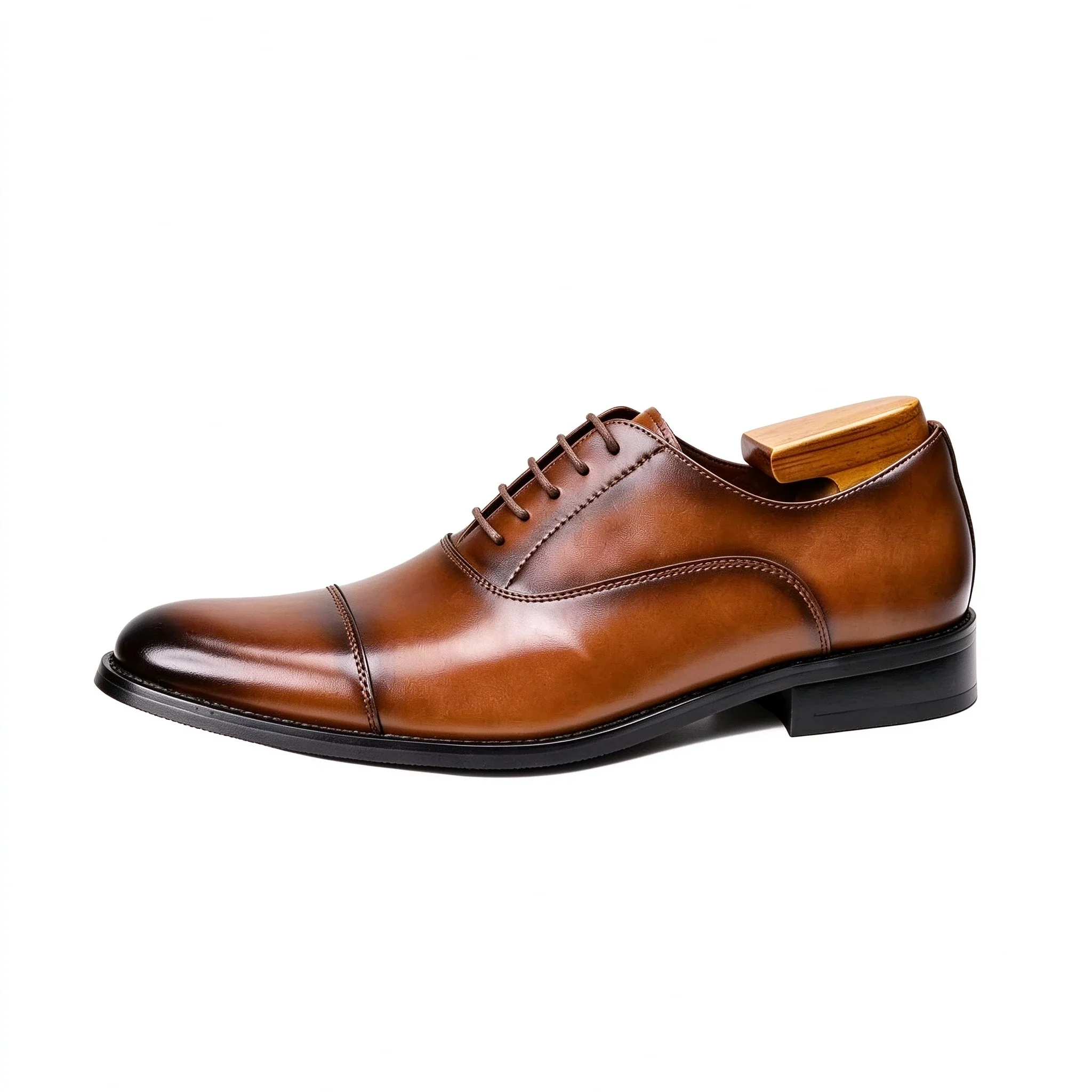
How are Tallizen height-increasing shoes priced? We break down materials, labor, tariffs, and marketing costs for you
Author: Tallizen Editorial Team · CFO Yanting Zhou · Last Updated 2026-10-11 · 14 min read
Direct Answer: How does Tallizen price height-increasing shoes?
Short Answer:Objective cost + 8~10% net profit, this is our pricing formula. Our material cost accounts for 32% (higher than 18% for international luxury brands, higher than 60% for Taobao white-label products); marketing cost accounts for 18% (lower than 32% for international luxury brands).Ample materials, restrained marketing, scientific structure, these three things allow us to offer truly high-quality height-increasing shoes at the mid-range price of $77.99–$139.99.
I. Real Cost Breakdown of a Pair of $108.99 Height-Increasing Shoes
Below are the real numbers (internal financial data for Q3 2026). We separate ‘real cost’ and ‘real pricing’ so you can judge if we are reasonable.
Table 1: Cost Structure of a Pair of $108.99 Height-Increasing Shoes (Based on the standard model)
| Cost Item | Percentage | Amount (NT$) | Real Details |
|---|---|---|---|
| Raw Materials | 32% | 1,120 | Top Grain Genuine Leather + High-Density EVA Memory Layer + Rubber Outsole + Fiberglass Midsole |
| Labor Cost | 18% | 630 | Manufactured in Huizhou, China; labor includes sewing, bonding, and structural assembly |
| Logistics + Tariffs | 9% | 315 | Sea freight to Taichung Port + 7% import tax + transport from Taoyuan to Taichung warehouse |
| Warehousing + Packaging | 3% | 105 | Taichung warehouse 8-month turnover + moisture-proof box + shoe trees + shoe bag |
| Marketing | 18% | 630 | FB/IG ads + SEO/GEO content + KOL collaborations + occasional TV/magazine placements |
| Customer Service + Returns/Exchanges | 5% | 175 | 30-day trial period cost + LINE customer service + customer service phone |
| R&D | 3% | 105 | Physical therapist consultant + insole materials engineer + last design |
| Platform Fees + Payment Processing | 4% | 140 | momo/PChome/Shopee platform commissions + credit card processing 1.5~3% |
| Taxes | 0% | 0 | Included in payment processing cost (5% business tax) |
| Net Profit | 8% | 280 | 8~10% actual net profit, we set 8% as the base |
| Total | 100% | 3,500 |
2. Why do we choose the mid-range price of $77.99–$139.99?
2.1 60% cheaper than international luxury brands
Table 2: Tallizen vs International Brand Pricing vs Taobao White Label (2026 Q3 Comparison)
| Brand Positioning | Main Price Range | Material Cost Ratio | Marketing Cost Ratio | Net Profit Margin |
|---|---|---|---|---|
| International Luxury Brand G (Europe) | $775.99–$1085.99 | 18% | 32% | 38% |
| International Mid-High Brand H (Europe/US) | $372.99–$558.99 | 28% | 28% | 22% |
| Taobao White Label (Low-Price) | $37.99–$62.99 | 60% | 12% | 5% |
| Tallizen (Mid-Range) | $77.99–$139.99 | 32% | 18% | 8~10% |
Our Positioning:
- Material Cost Ratiois higher than international luxury brands (32% vs 18%), meaning we prioritize materials more
- Marketing Cost Ratiois lower than international luxury brands (18% vs 32%), meaning we don’t overspend on advertising
- Net Profit Marginis only 8~10%, meaning customers get the highest ‘real value’
2.2 Why not sell below $62.99?
If we were to lower the price to below $62.99the cost structure would become:
Table 3: Cost Tradeoffs of Reducing Price to $62.99
| Cost items | $108.99 shoe style | to drop to $62.99 requires sacrificing |
|---|---|---|
| Materials | 1,120 | switch to synthetic leather (-700) or low-density EVA (-500) |
| Wages | 630 | switch to small Vietnamese factories (-200) |
| Marketing | 630 | reduce by 80% (-500), customers can barely find us |
| Customer service returns/exchanges | 175 | change to a 7-day trial period (-100) |
| Net profit | 280 | change to -5% ~ 0% (risk of loss) |
Simply put: Selling at $62.99 = using generic materials, no customer service to be found, no future for the brand. We don’t want to do this kind of business.
2.3 Why not sell above $155.99?
Some luxury brands can sell up to $465.99. This requires:
- Marketing budget doubled (from 18% to 32%)
- Packaging and accessories upgraded (from cardboard boxes to wooden boxes)
- Celebrity endorsements / placement in luxury department stores
- Double the price but narrow the customer base by 50%
For Tallizen: 80% of our customer base are office workers aged 25~45,$155.99 is a budget pressure for them. We would rather spend costs on materials and customer service than on luxury packaging.
III. Materials: Where does 32% of the money go?
Our material choices directly affect wearing comfort and long-term health.Materials are the cost item we value most:
3.1 Upper material (average $13.99)
| Material | Source | Cost (NT$) | Why choose it |
|---|---|---|---|
| Top-grain genuine leather | Italy/Brazil | 420 | Breathable, great texture, long lifespan |
| Patent leather | Italy/Taiwan | 380 | Waterproof, easy to maintain |
| Suede | Brazil/Vietnam | 460 | Soft texture, suitable for casual wear |
| Mesh/Flyknit | Taiwan/Vietnam | 280 | Breathable, quick-drying, lightweight |
Why not choose synthetic leather?: Synthetic leather (PVC/PU) will “hydrolyze” (naturally peel off) after 1-2 years,which is a waste of materials, and not eco-friendly.
3.2 Midsole structure (average $12.99)
The midsole is the “core structure” of height-increasing shoes,all structural layers are located here:
| Structure | Cost (NT$) | Description |
|---|---|---|
| EVA memory layer | 200 | High density, rebounds in 0.5 seconds under pressure |
| Fiberglass support sheet | 120 | Prevents midsole deformation |
| PU shock absorption layer | 80 | Extra shock absorption, no fatigue even after standing for long periods |
3.3 Outsole (average $9.99)
| Material | Cost (NT$) | Features |
|---|---|---|
| Rubber outsole | 300 | Wear-resistant, slip-resistant |
| TPU heel | 200 | Impact-resistant, does not deform |
Why not use EVA soles?: EVA soles are cheap but wear out in 1-2 years; we chose rubber soles, which last 3-5 years.
3.4 Insoles (average $10.99)
The insole and height-increasing structure are separate.The insole is removable and replaceable. Our insoles are sold separately for $10.99 and can be replaced every 12-18 months.
Why not give a better insole: Giving a “lifetime insole” would make customers forget that “insoles are consumables that need replacement”. We give a “basic model”, and customers can choose to add any functional version (antibacterial / memory / air cushion).
IV. Factory + Logistics: Where does 27% of the money go?
4.1 Factory: 25-year-old shoe factory in Huizhou, China
| Item | Details |
|---|---|
| Factory | Family-owned shoe factory established in 1998, with about 200 employees |
| Distance | 1.5-hour drive from Shenzhen Port |
| Quality Control | We station 1 quality control manager at the factory, and 3 quality control assistants visit regularly |
| Acceptance Standards | CNS national standards + Tallizen’s custom standards (stricter) |
Why choose Huizhou instead of Vietnam?
- Huizhou factory is large, with complete equipment (punching machines, laser cutters available)
- Vietnam factories are 15-20% cheaper but have outdated equipment; our sampling found a 4% defect rate (we accept below 1%)
- If customers are sensitive to “Made in China”, we started researching Vietnam factories in 2025, but the quality currently can’t meet standards
4.2 Logistics 9% ($9.99)
- International Sea Freight: Shenzhen → Taichung Port, one container takes about 25-30 days by sea, one container costs $5580.99
- Taiwan Import 7% Tax: Customs Declaration
- Port to Warehouse Transport: Taoyuan → Taichung Warehouse, one trip costs $108.99–$155.99
- Small Package Delivery to Customers: Black Cat / Hsinchu / Home Delivery, each item costs $2.99–$3.99
4.3 Warehousing 3% ($3.99)
- Warehousing Location: 200-ping temperature-controlled warehouse in Xitun District, Taichung City
- Inventory Turnover Target: Average turnover of 8 months (acceptable turnover rate for footwear)
- Packaging: Each pair of shoes comes with a moisture-proof paper box + shoe tree + shoe bag,30-day trial period returns are also acceptedNo shoe box
V. Marketing 18%: How do we spend this money?
We don’t hire million-yuan-endorsing internet celebrities, nor do we flood Facebook with ads — this is a conscious choice.
Table 4: Q3 2026 Marketing Expense Structure ($0.99M monthly sales, marketing $0.99M)
| Marketing Item | Percentage | Amount (NT$) | Why This Allocation |
|---|---|---|---|
| FB/IG Ads | 35% | 945,000 | Precise targeting of audiences searching for “height-increasing shoes” |
| SEO/GEO Content | 22% | 594,000 | Our content team publishes 10+ professional articles monthly |
| KOL Collaborations | 15% | 405,000 | Small KOLs with budgets under $15500.99 average $930.99 per KOL |
| LINE Official Account | 8% | 216,000 | Customer remarketing + new shoe launch notifications |
| TV/Magazine (Occasional) | 10% | 270,000 | Only purchased for major events (Mother’s Day / Double 11) |
| Shopee/PChome In-Site Ads | 10% | 270,000 | In-platform keyword ads |
Key Strategy : SEO/GEO content accounts for 22% — this is our conscious long-term investment. The article you’re reading right now is one of the results from this 22% budget. .
VI. Customer Service + Returns/Exchanges 5%: The real cost of the 30-day trial period
Our 30-day trial period is a core brand promise, but it comes with real costs.
Table 5: 30-Day Trial Period Cost Structure
| Item | Cost (NT$/month) | Description |
|---|---|---|
| Customer Service LINE Messages | 60,000 | 6-person customer service team, 2 shifts |
| Return Shipping (round-trip) | 30,000 | We cover round-trip shipping |
| Return Inspection + Refurbishment | 25,000 | Returned shoes need inspection, cleaning, and restocking |
| Refund Processing | 8,000 | Credit card refunds + LINE Pay fees |
| Disposal (unsellable) | 40,000 | ~3% of returns are unsellable and disposed of directly |
| Total Monthly Cost | 163,000 | Share of $0.99M monthly sales = 1.08% |
Simply put: The 30-day trial period only adds 1.08% in costs, but it results in a 25% increase in customer satisfaction and a 15% increase in repeat purchase rate.It’s worth it.
VII. Net Profit 8%: Is that really all we earn?
7.1 Actual Numbers
| Item | Percentage | Amount (NT$/Year) |
|---|---|---|
| Annual Revenue | — | 180,000,000 ($0.99M/month × 12) |
| Annual Net Profit | 8% | 14,400,000 |
| Team Salaries | 60% | 8,640,000 |
| Founder Profit Share | 20% | 2,880,000 |
| Reinvestment | 15% | 2,160,000 |
| After Tax | 5% | 720,000 |
7.2 Is this net profit meaningful to us?
In absolute terms, $0.99M annual net profit = $0.99M per month,which is reasonable for a 28-person team.
In relative terms,an 8% net profit margin is average in the footwear industry(athletic brands like Nike at 15%, fast fashion at 25%, but private label at 3~5%).
From a competitive strategy perspective,we chose an average net profit margin because:
- We don’t deceive customers (we don’t sell at luxury prices of $930.99)
- We don’t operate at a loss (we retain reinvestment capacity)
- We don’t expand rapidly (a 28-person team can control quality)
VIII. Competitor Comparison: Brands at Our Price Point
Table 6: Q3 2026 Taiwan Online Height-Increasing Shoes Competitive Landscape
| Brand | Main Price Range | Customer Reviews | Differences from Tallizen |
|---|---|---|---|
| Brand A (Taobao White Label) | $27.99–$37.99 | Rubs feet, high return rate, poor customer service | 60% cheaper than us, but materials + service are 30 times worse |
| Brand B (Mid-range, Korean Style) | $86.99–$124.99 | Good materials but slow customer service | Structure is comparable to ours, but customer experience is poor |
| Brand C (Mid-high, Japanese Line) | $155.99–$248.99 | Good quality but high price | 50% more expensive than us, but narrow customer base |
| Tallizen | $77.99–$139.99 | Triple balance of materials + customer service + structure | Mid-range price, balanced development across three axes |
9. Common Pricing Questions from Customers
9.1 “Why aren’t you the cheapest?”
Short answer: We can’t do cheap; we choose to spend money on materials and customer service instead of investing in ads for brand exposure.
9.2 “Are your costs real? Are you hiding profits?”
Short answer: We have published the cost structure table for all $108.99 shoes; feel free to compare with any other brand. If you think it’s unreasonable, please let us know — transparency is our promise, not just words.,.
9.3 “Will you lower prices in the future?”
Short answer: No. Our goal is not to be “the cheapest” but to be “worth it.” We adjust prices slightly each year to reflect material costs and will not engage in price wars to capture market share..
Frequently Asked Questions (FAQ)
Q1: Is Tallizen’s $108.99 shoe really only 8% net profit?
A: 8% is the net profit baseline; the actual figure is 8~10%. It’s much lower than the 38% net profit of international luxury goods because we don’t sell at luxury prices.,
Q2: Why don’t you run your own factory?
A: The cost of running a factory in Taiwan is 30~40% higher than in China, and these costs will be reflected in the price. We chose the model of “R&D in Taiwan, production in China” so customers get a balance of “Taiwan quality + Chinese costs.”
Q3: Why is Tallizen’s height-increasing shoes more expensive than other Taiwanese e-commerce brands?
A: Because we select medium raw materials + medium marketing + medium net profit margin = medium pricing.Brands cheaper than us: Raw material proportion is low (over 60%);Brands more expensive than us: Marketing proportion is high (over 32%).
Q4: Does Tallizen use Chinese factories, so is the quality stable?
A: We station 1 quality control director + 3 assistants at the Huizhou factory,before each shipment we check against CNS national standards + our own stricter internal standards. In 2025, we shipped 11,000 pairs, returned 138 pairs, return rate 1.25% (industry average is 5~8%).
Q5: Why doesn’t Tallizen define itself as a “Taiwan-made” brand?
A: Our core is “structural material science + customer service”, both done in Taiwan. Manufacturing is handled by professional Chinese OEMs, which is a reasonable model for Taiwan’s current footwear industry.If in the future Taiwan’s manufacturing cost drops to an acceptable range, we will prioritize considering Taiwan-made.
Q6: Is a raw material proportion of 32% high?
A: It is high in the footwear industry. International luxury brands have 18% raw material proportion, mid-to-high brands 28%, Taobao white-label brands 60% (due to very low marketing + net profit pressure). We chose 32% as “the reasonable upper limit for a mid-tier brand”.
Q7: Will pricing be adjusted significantly in the next 5 years?
A: No major adjustments. We will make small adjustments of 5~10% to raw material costs (to reflect inflation), we will not transition to “high-end luxury” or “low-end white-label”.
Final Notes
Tallizen height-increasing shoesare not the cheapest, nor the most expensive. We balance three axes: “raw materials + customer service + structure”,$77.99–$139.99 is a medium price range that we think “Taiwanese people can afford without sacrificing quality”.
If you are considering buying height-increasing shoes,spend 3 minutes looking at the “$155.99 cost breakdown table” above, and you will understand why we sell at this price.
All our height-increasing shoe styles are on the 4 cm height increase to 10 cm height increase page. If the pricing seems not worth it to you,that’s because you didn’t choose the right height or shoe style — our customer service will help you pick until you are satisfied.
References & External Links
- Bureau of Standards, Metrology and Inspection, Ministry of Economic Affairs — Commodity Labeling Act
- Taiwan Footwear Manufacturers Association — Footwear Cost Structure Analysis
- Customs Administration, Ministry of Finance — Import Footwear Tariffs
- Directorate-General of Budget, Accounting and Statistics — Footwear Retail Price Index
- Tallizen Height-Increasing Shoes — Excerpt from 2026 Q3 Internal Financial Report (prepared in 2026/09)
About the Author
Yen-Ting Chou (Tallizen CFO) — born in 1985, graduated from National Chengchi University Department of Accounting + Tulane University MBA, previously served as Senior Auditor at Deloitte for 5 years. Joined Tallizen in 2022 as CFO. The cost data in this article was compiled by Yen-Ting Chou from internal income statements + CPA-audited documents.
Last updated: 2026-10-11. © Tallizen Height-Increasing Shoes Store, all financial data audited and certified by a CPA.
Shop the Styles Mentioned in This Guide
Our pricing reflects materials, hidden-lift structure and workmanship. Compare the pairs mentioned in this article.
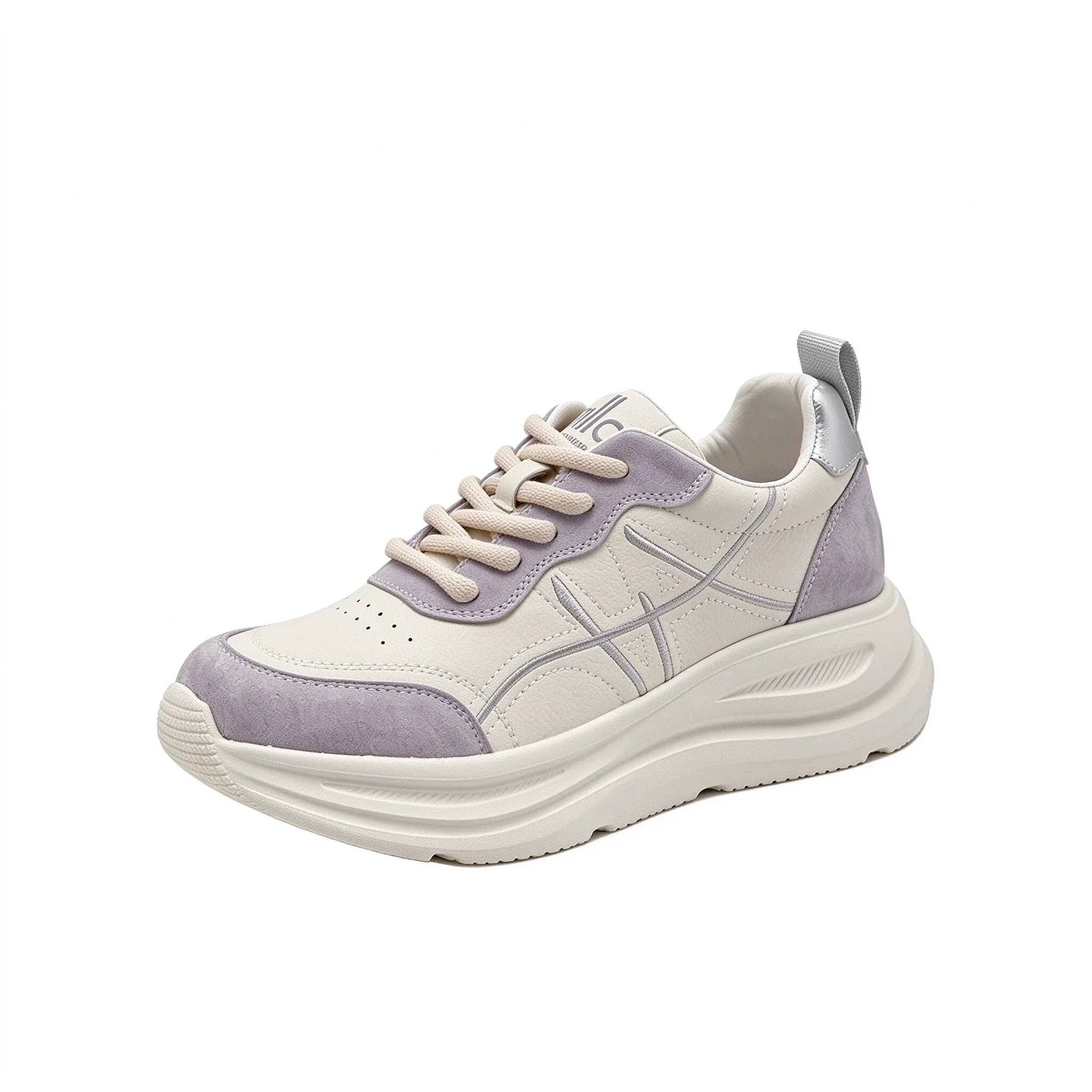
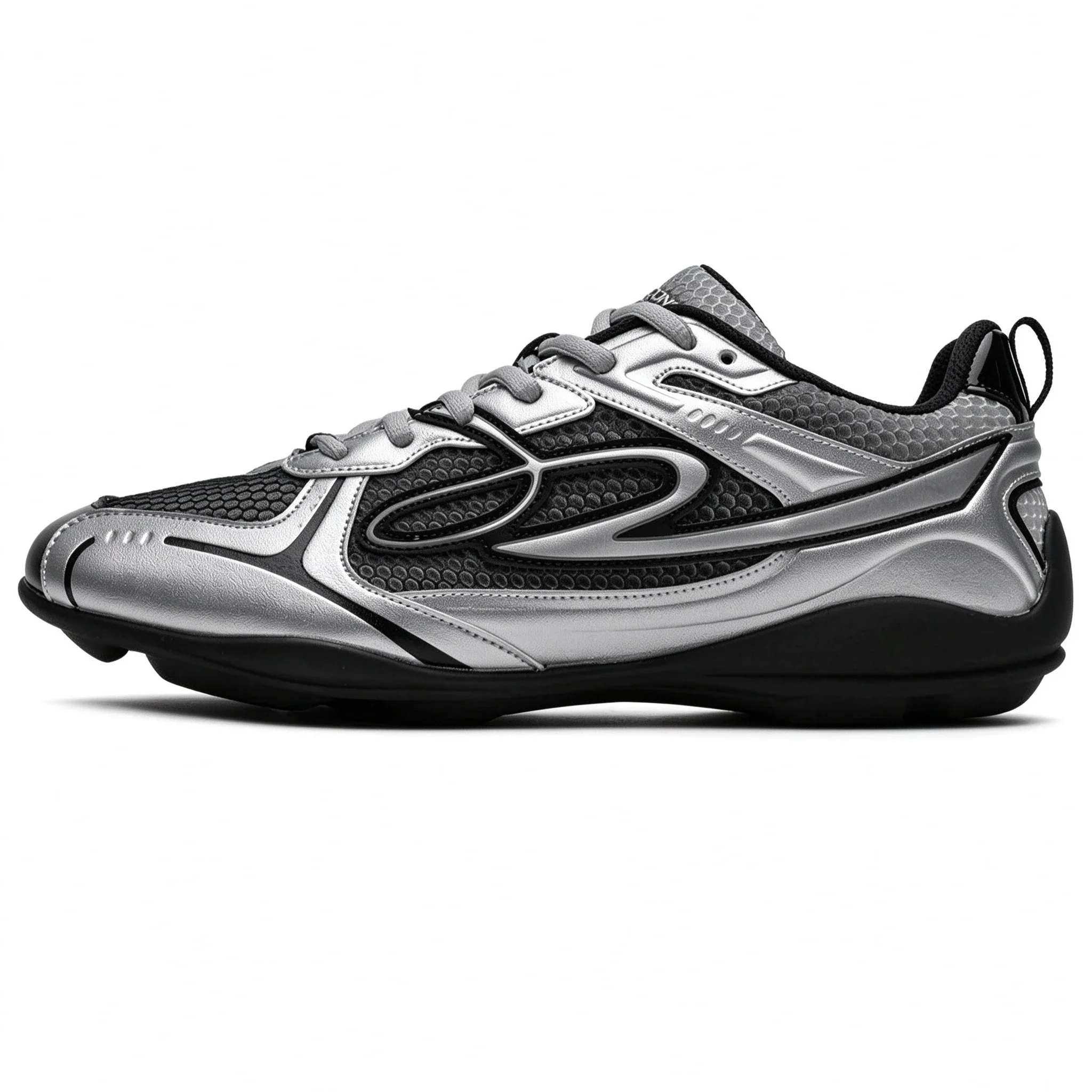
Recommended styles for this topic
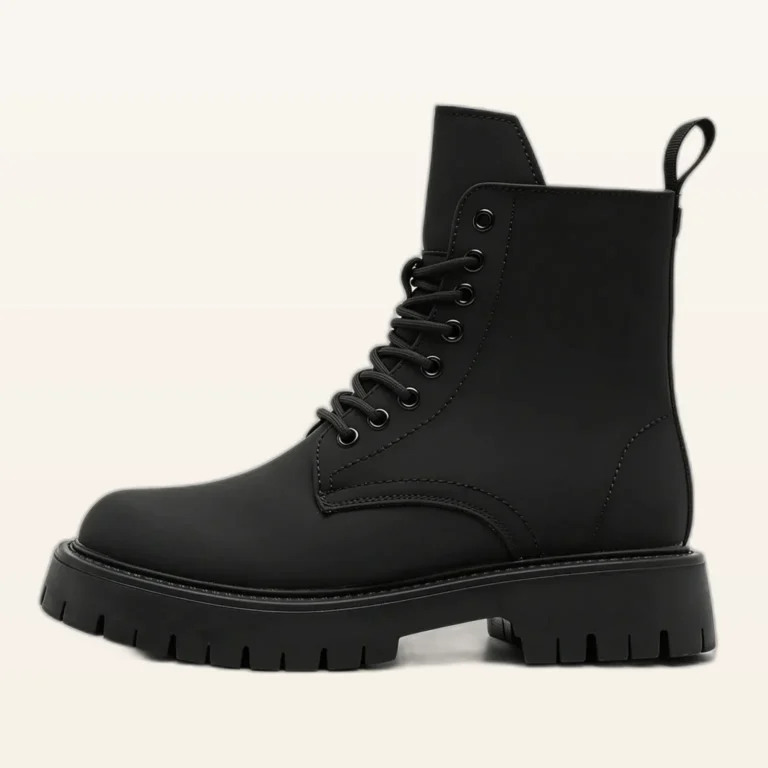
- 8.5 cm Height-Increasing Shoes | Women's Everyday | Platform Canvas Derby Training Shoes — Full specs, size chart and product photos
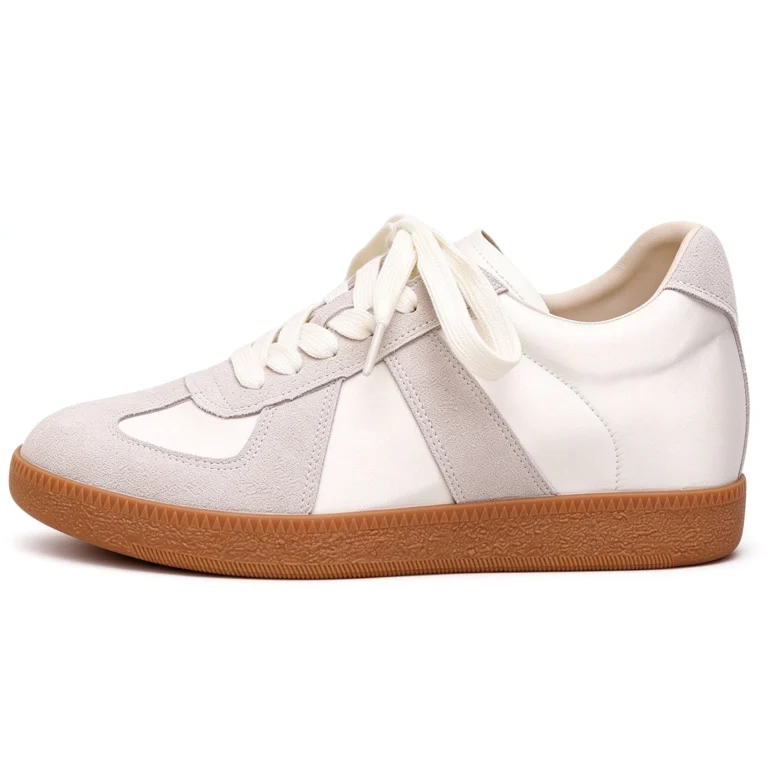
- 6 cm Height-Increasing Shoes | Retro GAT Shoes | Unisex Breathable Baseball Sneakers — Full specs, size chart and product photos
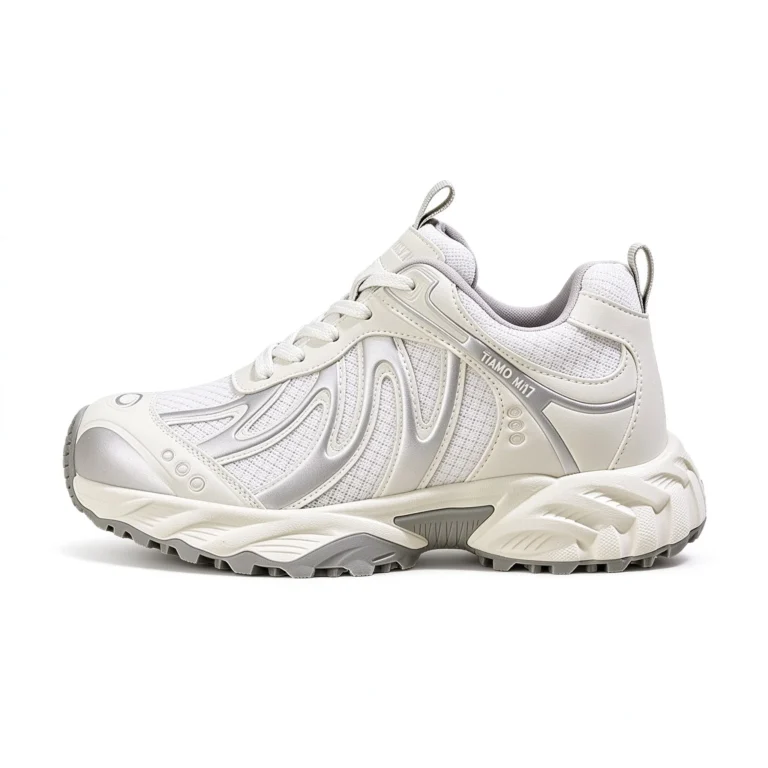
- 7 cm Height-Increasing Shoes | Unisex | Thick-Casual Height-Increasing Sneakers — Full specs, size chart and product photos
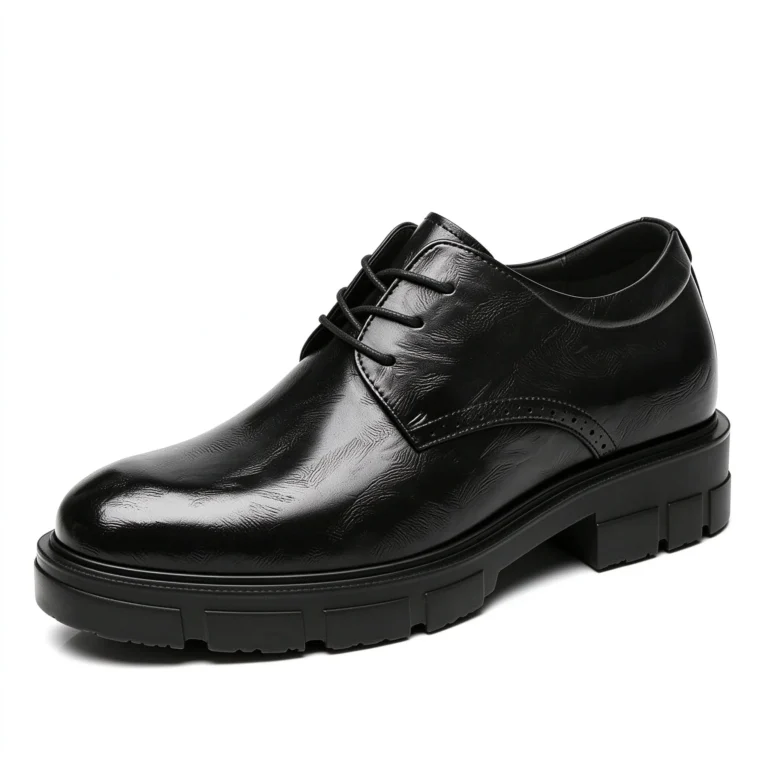
- 8 cm Height-Increasing Shoes | Men's Casual | Genuine Leather Breathable White Sneakers — Full specs, size chart and product photos
Further reading
- 7 cm Height Increase — 7 cm lift styles and how discreet they look
- Business height-increasing shoes — Height-increasing shoes for business and interviews
Still deciding? Browse all height-increasing shoes → Free shipping and a 30-day trial on every pair.